How Much Is My Orange County Home Worth? 7 Factors That Affect Your Home’s Value
One of the first questions almost every homeowner eventually asks is:
“How much is my home worth?”
It sounds like a simple question.
It isn't.
You can search your address online and get an estimate in seconds. You can look at what your neighbor's home sold for. You can ask friends what they think your property could sell for.
But none of those numbers necessarily tell you what your home could actually sell for in today's Orange County market.
Why?
Because your home's value isn't determined by one number.
It's influenced by location, condition, recent sales, current competition, buyer demand, property features, and how the home is positioned when it enters the market.
And sometimes, two homes that look very similar can sell for very different prices.
If you're thinking about selling your Orange County home, or you're simply curious about its current value, here are seven factors worth understanding.
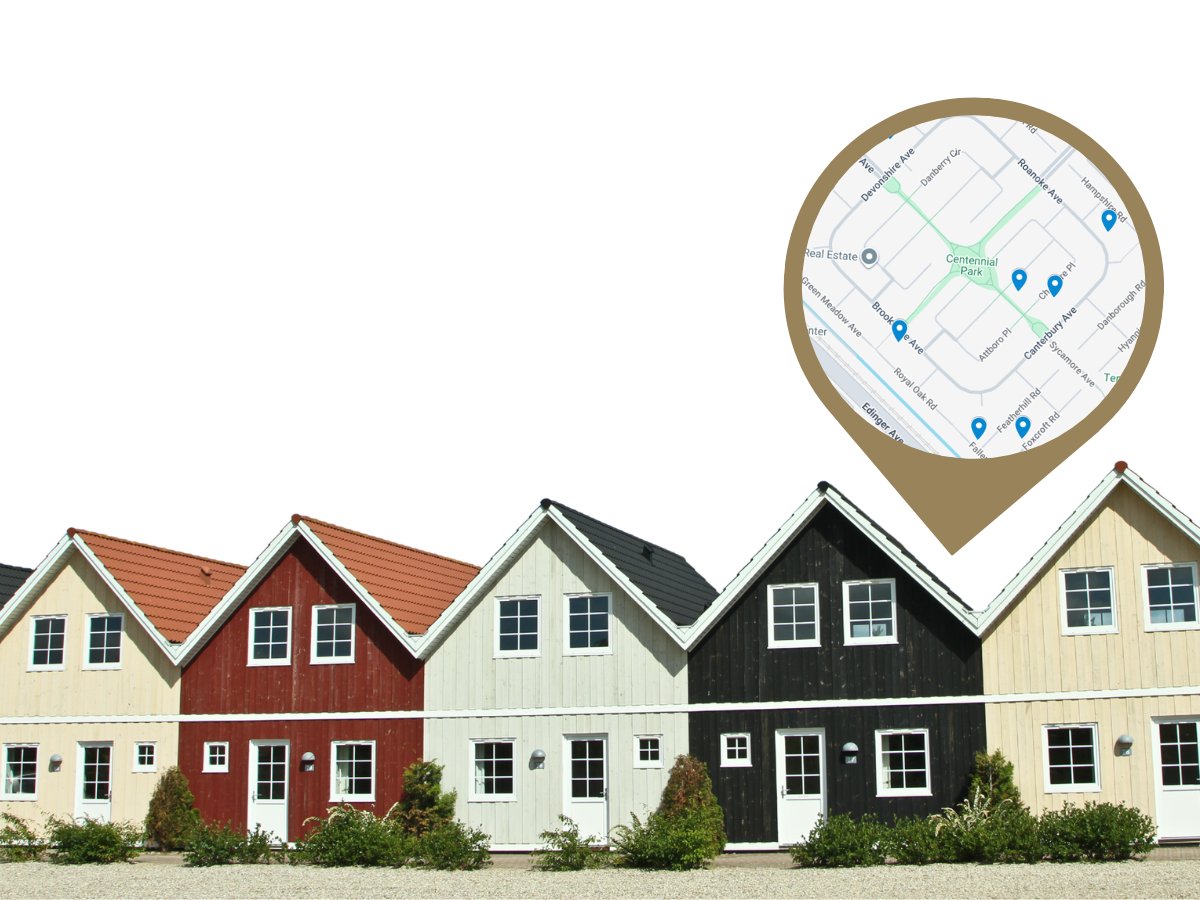
1. Location Still Matters
You've probably heard the phrase:
“Location, location, location.”
There's a reason it's repeated so often.
A home's location can have a significant influence on how buyers perceive its value.
But location isn't simply about the city name.
Within Orange County, buyers can have very different reactions to individual neighborhoods, streets, and communities.
A buyer searching in Irvine may have completely different priorities from someone looking in Tustin, Orange, Yorba Linda, Anaheim Hills, or Santa Ana.
Even within the same city, factors such as proximity to amenities, neighborhood character, views, lot positioning, schools, commute routes, and surrounding properties can influence buyer interest.
That's why a meaningful home valuation needs to look beyond the broad city average.
Your specific location matters.
2. Recent Comparable Sales
One of the most useful ways to understand your home's potential value is to look at comparable homes that have recently sold.
But there's an important distinction:
Recently sold homes, not just current asking prices.
An asking price tells you what another homeowner hopes to receive.
A closed sale provides evidence of what a buyer actually paid.
A good comparison considers homes that are reasonably similar in:
Location
Size
Bedrooms and bathrooms
Lot size
Condition
Upgrades
Property type
Overall appeal
Even then, no two homes are exactly alike.
That's why comparable sales are a starting point, not an automatic answer.
The goal is to understand how your property compares with the homes buyers have recently chosen.
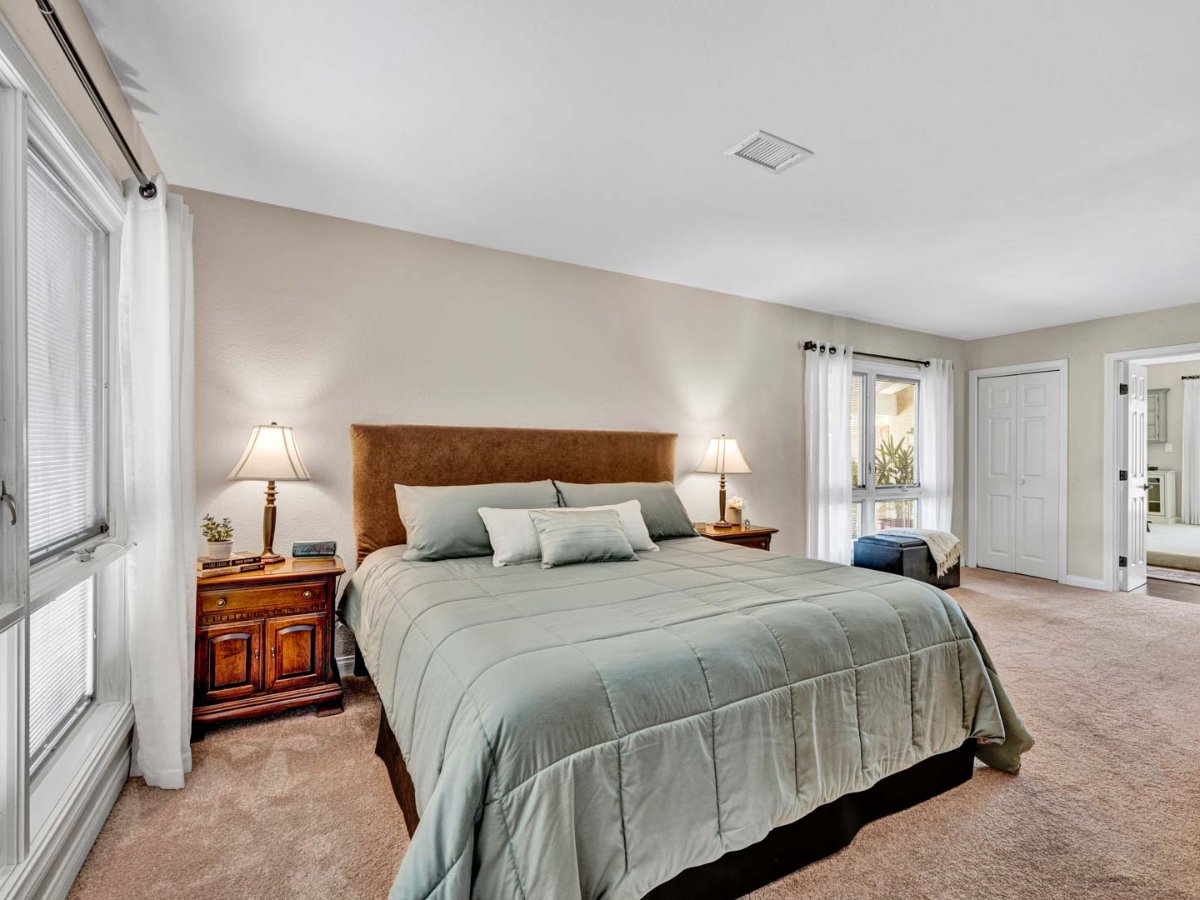
3. Your Home's Condition
Imagine two homes next door to each other.
They have nearly identical floor plans.
Similar square footage.
Similar lots.
But one has been beautifully maintained and recently updated, while the other needs significant work.
Would buyers value them exactly the same?
Probably not.
Condition can have a major impact on how buyers perceive a property.
A move-in-ready home may appeal to buyers who don't want to take on a renovation project.
Another buyer may actively look for a home that needs work because they want the opportunity to customize it.
The important question is:
What will today's buyers see when they walk through your door?
Understanding your home's condition helps determine how it should be positioned in the market.
4. Upgrades Can Help, But Not Every Upgrade Adds Equal Value
Homeowners make improvements for many reasons.
Sometimes it's because they want to enjoy their home more.
Sometimes it's because a feature needed updating.
And sometimes they're preparing for a future sale.
But when it comes time to sell, it's important to separate personal enjoyment from market value.
A renovation may make your home more attractive.
But that doesn't automatically mean you'll recover every dollar you spent.
The impact of an upgrade can depend on:
The neighborhood
Quality of the work
Buyer expectations
Competing properties
The type of improvement
How recently it was completed
That's why I recommend looking at improvements through the eyes of today's buyer.
Ask:
“Will this help buyers see why this home is worth choosing?”
5. Current Competition
Your home isn't being sold in a vacuum.
When you list, buyers will compare your property with other homes available at the same time.
Imagine a buyer has a $1.5 million budget.
They find three homes they like.
One has a larger lot.
One has a newer kitchen.
One has a better location.
If all three are priced similarly, the buyer will naturally ask:
“What makes this one the best choice?”
That's why current competition is such an important part of pricing strategy.
A home may have been worth one amount six months ago.
But the competitive landscape may look very different today.
New listings come onto the market.
Other homes sell.
Some properties reduce their prices.
Buyer demand changes.
Your pricing strategy needs to account for what's happening right now.
6. Buyer Demand
Markets aren't static.
Buyer demand can change based on interest rates, inventory, economic conditions, seasonality, and local market activity.
That's why a home's value isn't necessarily a permanent number attached to the property.
It's influenced by what buyers are willing and able to do in the current environment.
When demand is strong and inventory is limited, buyers may compete more aggressively.
When buyers have more choices, sellers may need to be more strategic about pricing, presentation, and marketing.
Understanding the market environment is critical.
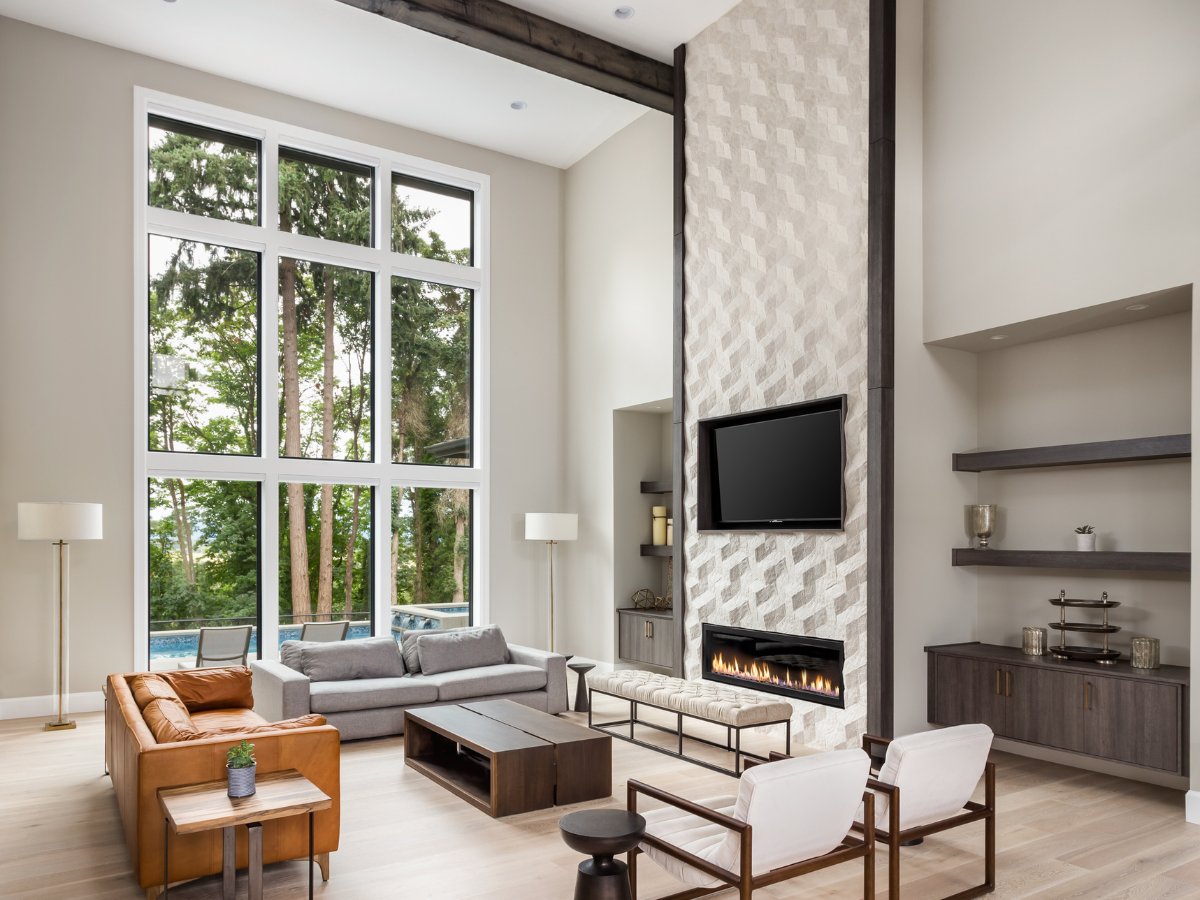
7. How the Home Is Presented
Here's something homeowners sometimes underestimate:
Buyers don't experience your home the way you do.
You know every improvement you've made.
You remember why you chose the finishes.
You know how beautiful the backyard looks in the evening.
You know which room gets the best afternoon light.
But buyers may experience your property for the first time through a few photographs on their phone.
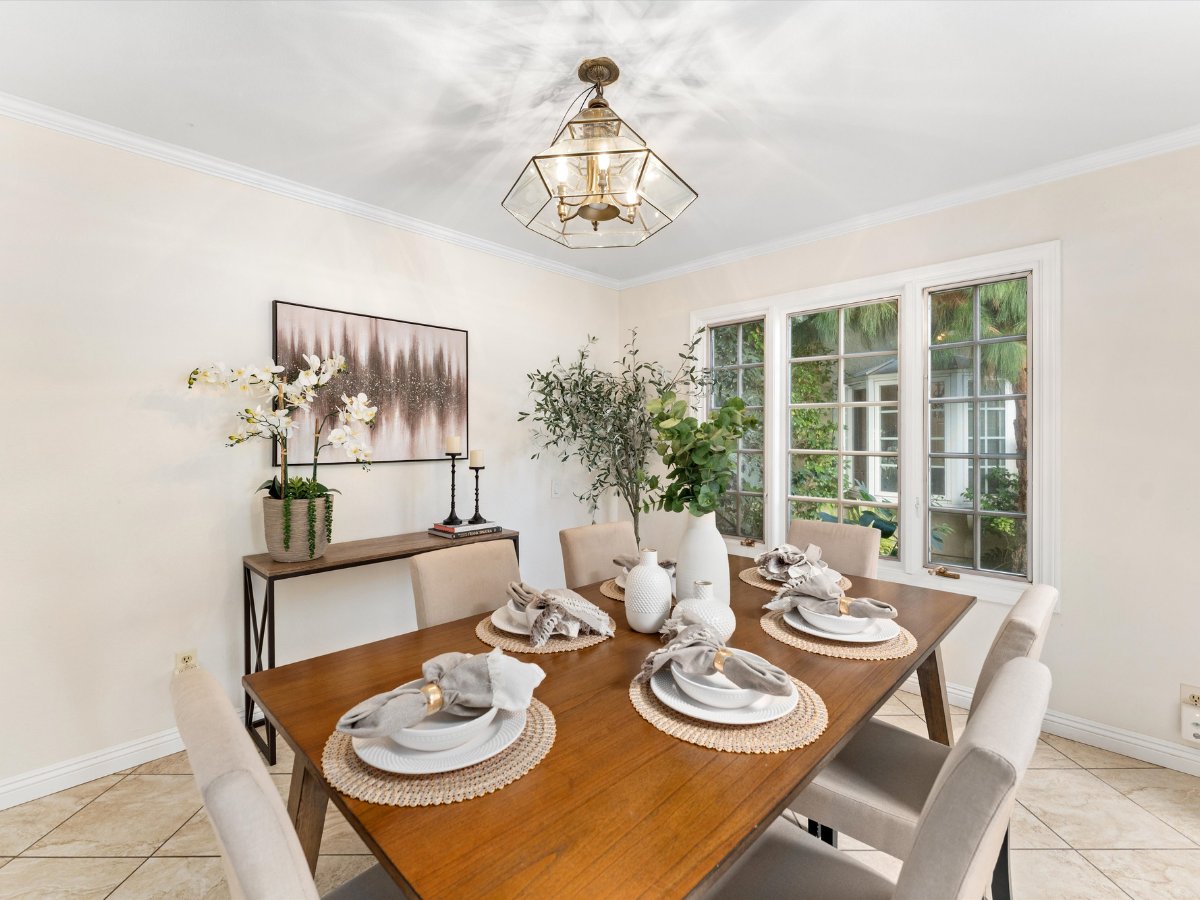
That means presentation matters.
Photography.
Staging.
Property descriptions.
Marketing.
Online exposure.
All of these elements can influence how buyers perceive a home before they ever schedule a showing.
A great property can be overlooked if its presentation doesn't communicate what makes it special.
What About Online Home Value Estimates?
Online valuation tools can be useful as a starting point.
But homeowners should be careful about treating an automated estimate as the definitive value of their property.
An algorithm may not fully understand:
Recent renovations
Interior condition
Specific neighborhood characteristics
Views
Lot positioning
Unique features
Current competition
Buyer behavior
A computer can provide a number.
Understanding the market requires context.
That's where a property-specific analysis becomes much more useful.
Your Home's Value Isn't Necessarily the Same as Your Neighbor's
This is one of the most important things to remember.
You might see that a nearby property sold for $1.4 million and assume yours should be worth the same.
But small differences can matter.
Maybe their lot is larger.
Maybe their kitchen was recently remodeled.
Maybe their home has a better view.
Maybe your floor plan is more desirable.
Maybe their property needed significant repairs.
Those differences can influence what buyers are willing to pay.
That's why a home valuation should be individualized rather than based on one nearby sale.
What Happens When a Home Is Overpriced?
Pricing too high can have consequences.
At first, the listing may receive attention.
But if buyers repeatedly compare it with competing properties and decide the value isn't there, showings can slow.
Then the property begins accumulating days on market.
Eventually, buyers may start asking:
“Why hasn't this sold?”
That perception can make the property more difficult to position.
That's why strategic pricing matters from the beginning.
The goal isn't simply to choose the highest possible asking price.
It's to position the property where the right buyers recognize the value.
What Happens When a Home Is Priced Strategically?
A well-positioned home can generate stronger initial interest.
More buyers may schedule showings.
More buyers may consider making an offer.
And when multiple buyers recognize the value at the same time, competition can potentially develop.
Of course, there are never guarantees.
But pricing can influence buyer behavior.
That's why pricing and marketing should work together.
The goal is to create a compelling reason for qualified buyers to pay attention.
Frequently Asked Questions
How can I find out how much my Orange County home is worth?
Start by reviewing recent comparable sales, current competition, your home's condition and features, and current buyer demand. A personalized market analysis can provide a more useful estimate than relying solely on an automated online valuation.
Does remodeling increase my home's value?
It can, but the impact varies. Not every renovation produces a dollar-for-dollar return, so improvements should be evaluated in the context of your neighborhood, property, and buyer expectations.
Should I price my home higher so I have room to negotiate?
That strategy can backfire if the initial price discourages qualified buyers. Strategic pricing should be based on current market conditions, comparable sales, competition, and your goals.
How often should I reassess my home's value?
If you're considering selling, it's useful to review current market conditions and comparable sales rather than relying on an older valuation.
Final Thoughts
Your home's value isn't simply a number generated by a website.
It's influenced by location, condition, features, recent sales, competition, buyer demand, and how effectively the property is positioned.
And perhaps the most important point is this:
Your home's market value is ultimately shaped by what today's buyers are willing to pay.
If you're wondering what your Orange County home could realistically sell for, you don't have to make the decision based solely on an online estimate or your neighbor's sale.
Let's look at the market together, understand the competition, and determine what makes sense for your specific property and your goals.