Should You Remodel Before Selling Your Orange County Home? How to Decide Which Updates Are Worth Considering
You've decided to sell your Orange County home.
Then comes one of the biggest questions:
"Should we remodel before we list?"
It's a question homeowners ask all the time.
And it's easy to understand why.
You look around your kitchen and see the cabinets you've wanted to change for years.
You notice the flooring is dated.
The bathroom could use an update.
The paint isn't quite as fresh as it once was.
Suddenly, selling your home feels like it might require a massive renovation project.
But here's the thing:
You don't necessarily need to remodel everything.
In fact, one of the most important parts of preparing a home for sale is knowing where to stop.
The goal isn't to create your dream home.
It's to prepare the property strategically for the buyers you're trying to attract.
Start by Looking at Your Home Through a Buyer's Eyes
This can be difficult.
Homeowners naturally see their property through an emotional lens.
You remember why you chose the countertops.
You know how long the floors have lasted.
You may not even notice the paint color anymore.
A buyer sees something completely different.
They're comparing your home against other properties.
They're asking:
"How much work will this require?"
"Does this feel move-in ready?"
"What would I need to change?"
"Is the price justified?"
That's why an objective evaluation can be so helpful.
Not Every Dated Feature Needs to Be Replaced
One of the biggest mistakes sellers can make is assuming every older feature needs to be replaced.
A home doesn't have to be completely modernized to sell.
Sometimes a dated feature is perfectly acceptable if the overall property is well maintained and presented.
The question should be:
Does this feature negatively affect the buyer's perception enough to justify the cost of changing it?
That's a much more useful question than:
"Can we renovate this?"
Because technically, almost anything can be renovated.
The issue is whether it makes sense.
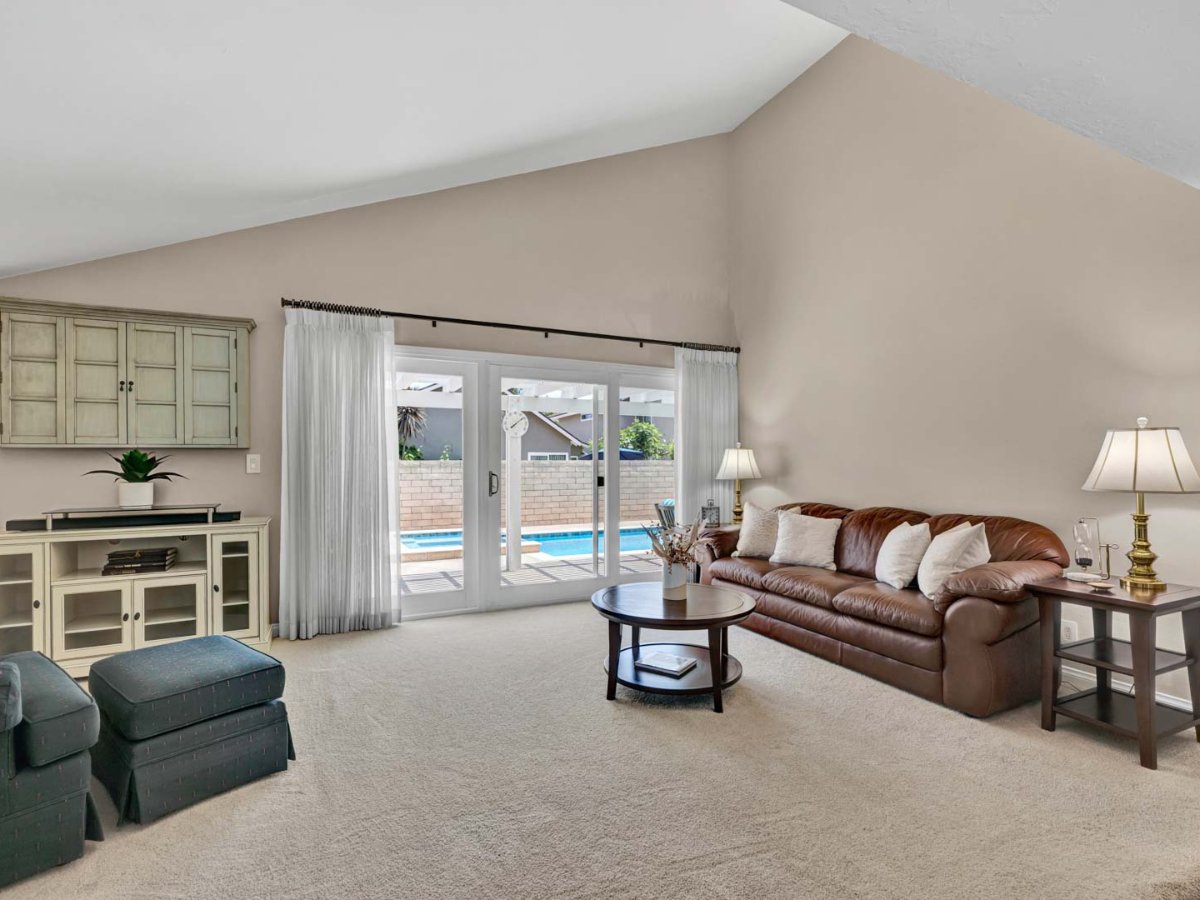
Paint Can Change the Feeling of a Home
Fresh paint is one example of a relatively straightforward update that can dramatically change how a space feels.
A room with tired or heavily personalized colors can feel different with a fresh, neutral finish.
The goal isn't necessarily to make the home bland.
It's to create a clean backdrop that allows buyers to focus on the property itself.
Fresh paint can also help spaces feel cleaner, brighter, and more cohesive.
Flooring Can Affect First Impressions
Floors take a lot of wear.
Over time, they can become one of the first things buyers notice.
Damaged, heavily worn, or inconsistent flooring can make a home feel less maintained.
In some situations, refreshing the flooring may be worth considering.
But again, the question is not:
"Can we replace the floor?"
It's:
"Would replacing the flooring materially improve how buyers experience this home?"
That's where strategic preparation comes in.
Kitchens Often Get a Lot of Attention
Buyers naturally spend time evaluating kitchens.
They think about how they cook.
How they entertain.
How much storage they need.
How the space functions.
But a seller doesn't necessarily need to install an entirely new kitchen.
Sometimes a more focused refresh can change the overall impression.
Depending on the property, that might involve updating finishes, improving lighting, refreshing surfaces, or making the space feel cleaner and more cohesive.
The right approach depends on the home and the market.
Bathrooms Matter Too
Bathrooms are another area where condition can influence buyer perception.
A bathroom doesn't necessarily need to become a luxury spa.
But buyers want to see a space that feels clean, functional, and well maintained.
Sometimes small improvements can make a noticeable difference.
Other properties may benefit from a more substantial update.
Again, the strategy should be based on the home rather than following a generic remodeling checklist.
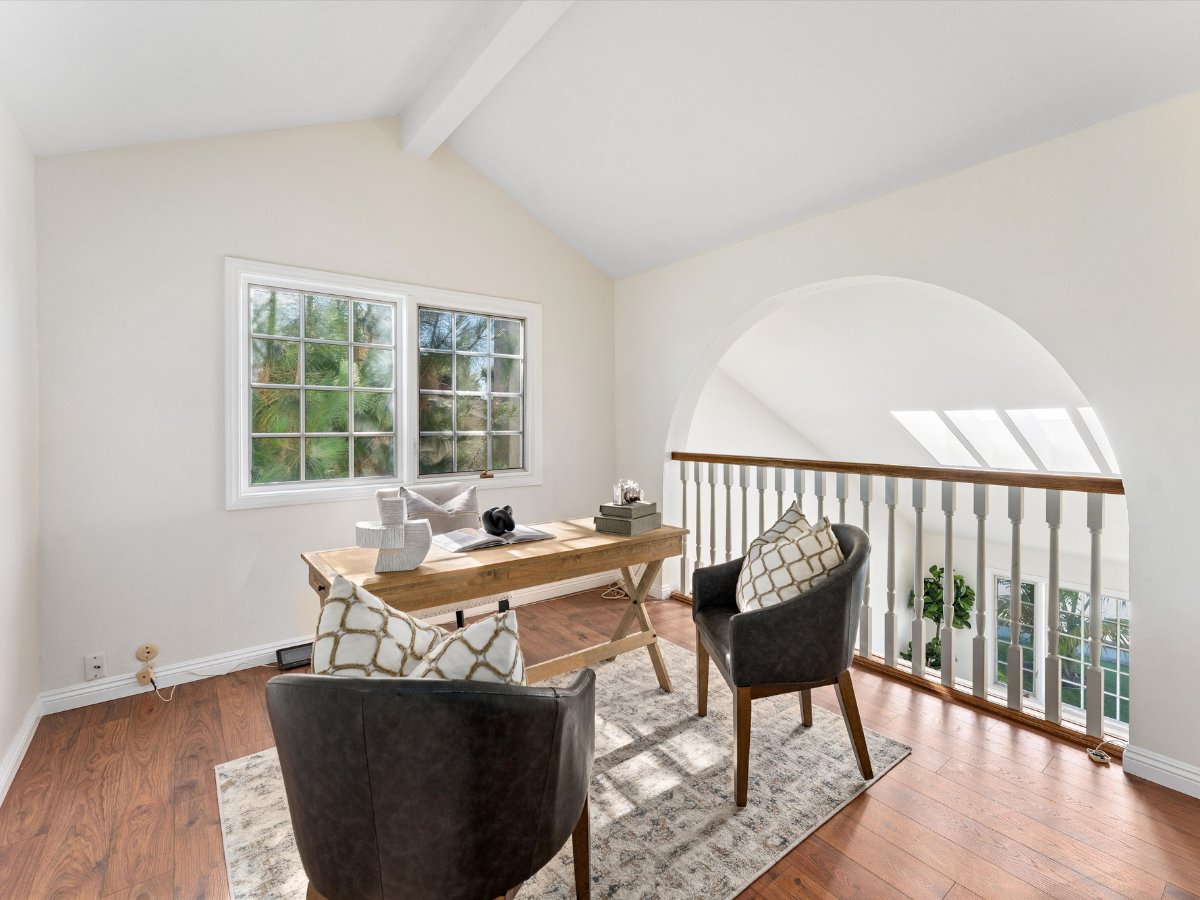
Don't Forget Lighting
Lighting is easy to overlook.
But it can dramatically influence how a room feels.
A dark space may feel smaller.
A well-lit room can feel more welcoming.
Natural light should be maximized whenever possible, while appropriate fixtures can help support the overall presentation.
When preparing a home for sale, lighting is one of those details that can complement staging and photography at the same time.
Curb Appeal Is the Buyer's First Physical Impression
Before a buyer enters the house, they see the outside.
The front door.
The landscaping.
The driveway.
The exterior.
That first impression matters.
Curb appeal doesn't necessarily mean installing an elaborate landscape.
Sometimes it means making the property feel clean, maintained, and welcoming.
Small details can help create a stronger transition from the street to the front door.
Remodeling With Purpose
If you remember one thing from this article, let it be this:
Don't remodel simply because you can.
Remodel because there is a clear reason.
Maybe the existing condition is hurting buyer perception.
Maybe competing properties offer features your home doesn't.
Maybe a strategic update could make the property more competitive.
Or maybe the home is already in good shape and remodeling would add unnecessary expense.
The right answer depends on the property.
What About Return on Investment?
Homeowners understandably want to know:
"Will I get my money back?"
There is no universal guarantee.
Real estate returns vary based on market conditions, property type, location, quality of work, buyer expectations, and many other factors.
That's why sellers should be cautious about making expensive renovations solely because someone says they'll "add value."
Instead, think about the improvement in terms of:
Cost + Buyer Appeal + Competitive Positioning + Seller Goals
That gives you a more realistic framework.
The Best Preparation Plan May Be Smaller Than You Think
Imagine you're preparing a home for sale.
You have a limited budget.
You could spend it all on one major renovation.
Or you could make several strategic improvements:
Fresh paint.
Better lighting.
Updated flooring in key areas.
Improved curb appeal.
Professional staging.
High-quality photography.
Which approach is better?
There isn't a universal answer.
But it demonstrates why preparation should be planned as a complete strategy rather than a collection of random upgrades.
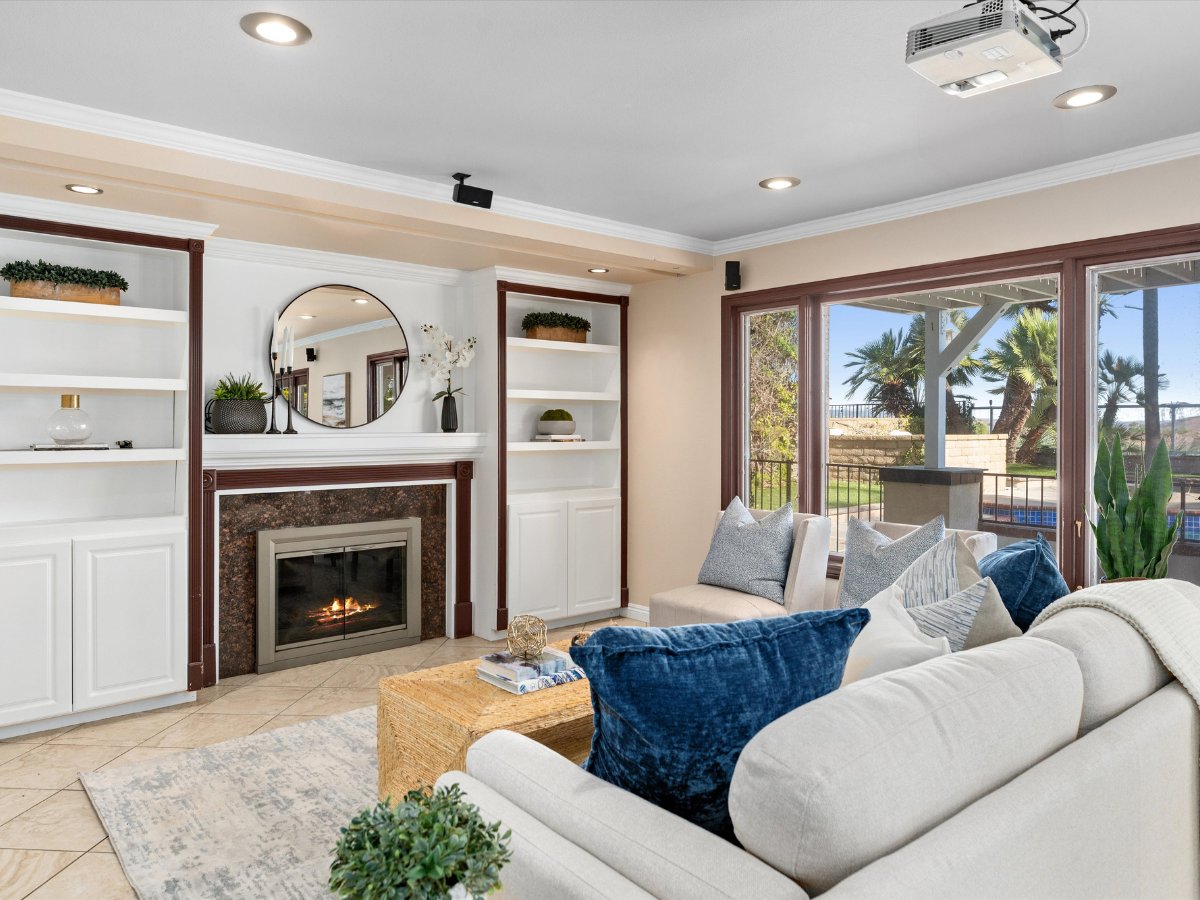
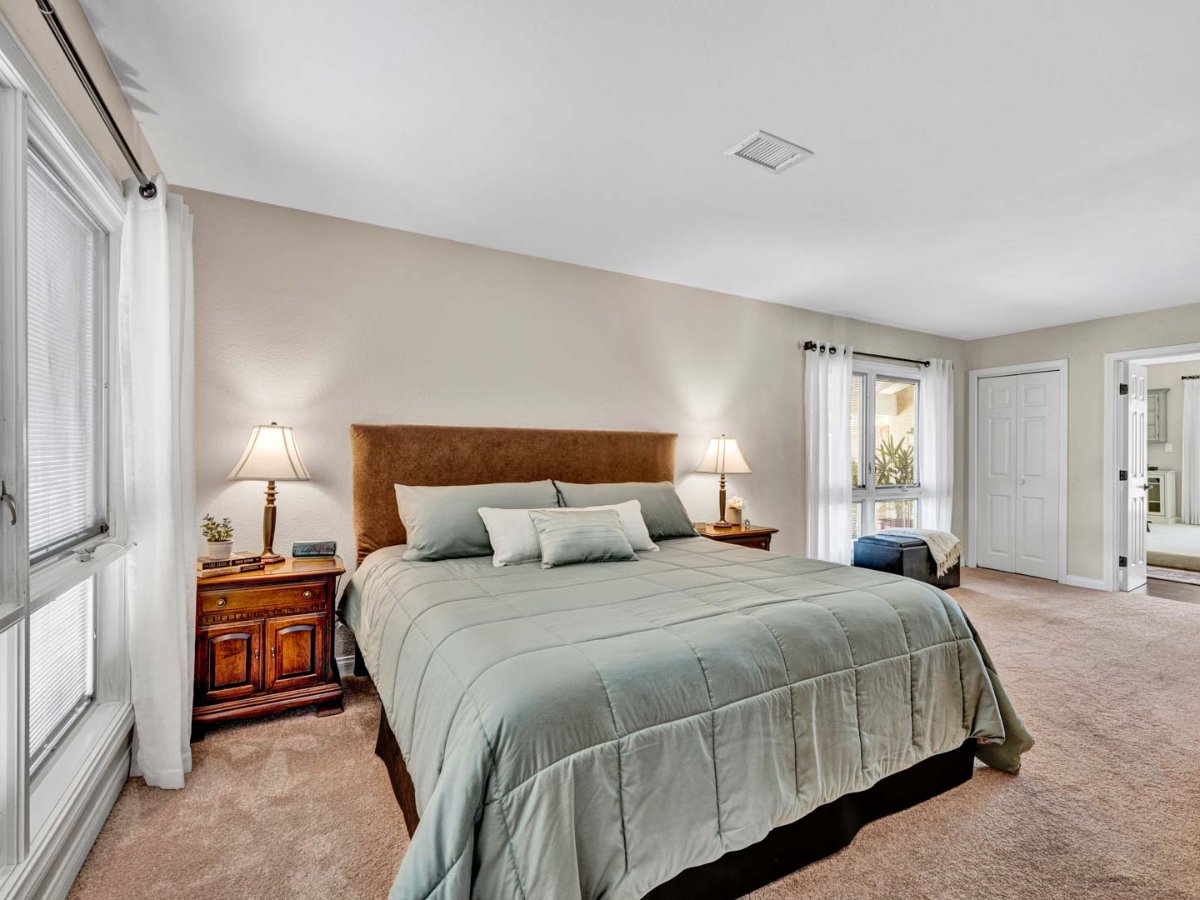
Staging and Remodeling Work Together
Staging and remodeling aren't competing ideas.
They can complement each other.
A refreshed kitchen may look significantly better once properly staged.
New flooring can be showcased through professional photography.
Improved lighting can make staged rooms feel brighter.
The finished product should tell a cohesive story.
That's why the preparation process should happen before the marketing begins.
The Goal Is Not Perfection
This is important for sellers.
Your home does not need to be perfect.
There will always be something that could be changed.
Another room could be updated.
Another fixture could be replaced.
Another improvement could be made.
At some point, preparation needs to end and marketing needs to begin.
The objective is to create a home that feels cared for, appealing, and ready for its next owner.
Orange County Buyers Have Options
In communities such as Irvine, Tustin, Santa Ana, and throughout Orange County, buyers may compare multiple properties before deciding which one deserves an offer.
That makes presentation particularly important.
Your home needs to communicate its value quickly.
Not through exaggerated claims.
Through thoughtful preparation and honest presentation.
Frequently Asked Questions
Should I remodel my kitchen before selling?
Not necessarily. A kitchen update may make sense if its current condition significantly affects buyer perception, but a full remodel isn't automatically necessary.
What improvements should I make before selling?
Potential areas to evaluate include paint, flooring, lighting, kitchens, bathrooms, and curb appeal. The appropriate improvements depend on the specific property.
Is staging better than remodeling?
They're different tools. Some homes may benefit primarily from staging, while others may need strategic updates before staging. The best approach depends on the property's condition and market position.
How much should I spend preparing my home?
There isn't a universal amount. Preparation should be aligned with your property's condition, competitive market, likely buyer expectations, and selling goals.
Final Thoughts
Preparing your home for sale doesn't have to mean tearing everything apart and starting over.
Sometimes the smartest strategy is surprisingly simple.
Look at the property objectively.
Understand what today's buyers are seeing.
Compare the home with its competition.
Identify the improvements that can make the biggest difference.
Then stop.
Because the goal isn't to create the most expensive version of your home.
It's to create the most compelling version of your home for the market you're entering.
If you're considering selling your Orange County home, let's evaluate the property before you start spending money on renovations.
The right preparation plan isn't