Introduction
Selling a home is already a multi-step process. When a tenant lives in the property, there is another important part of the equation: an existing rental relationship.
Owners in Irvine, Tustin, and other Orange County communities may be weighing whether to sell while a lease is in place, wait for a vacancy, or market the home to investors. None of those approaches is automatically best. The right strategy depends on the lease, applicable law, property condition, the likely buyer audience, and the owner's timeline.
Here are the questions worth addressing before a tenant-occupied property goes on the market.
1. Start With the Lease, Not the Listing Photos
Before deciding on a listing date, locate the signed rental agreement and any renewals or amendments. Confirm the stated term, rent, security deposit, and any provisions that may affect the transaction.
A sale generally does not by itself erase a tenant's existing rights under a valid lease. California rental rules can be complex, and some properties may be subject to state or local tenant protections. An owner should not assume that a purchaser can immediately require a tenant to leave.
Review the documents with a qualified California landlord-tenant attorney or property manager when necessary. Understanding the actual occupancy arrangement helps avoid marketing a property based on assumptions that may not hold.
2. Decide Which Buyer Audience Fits the Property
A tenant-occupied property may appeal to an investor interested in rental income. It may also interest a buyer who hopes to occupy the property later, but that buyer will need clarity about possession and timing.
The appropriate marketing approach may differ. Investors often ask about current rent, operating expenses, lease duration, and maintenance history. Owner-occupant buyers may focus on when lawful possession could become available and whether the home can be inspected adequately.
Neither buyer group should be promised an outcome that has not been verified. Position the listing around accurate facts about the property and occupancy.
3. Plan Showings With Lawful Notice and Clear Communication
Showings require coordination when someone lives in the home. California law includes rules concerning a landlord's right of entry, notice, permissible purposes, and timing.
The precise requirements and any exceptions should be confirmed for the circumstances. Do not treat a tenant-occupied home as though it were vacant.
A respectful plan may include discussing likely showing windows, coordinating access through the proper channels, and limiting avoidable disruptions. Written communication and consistent scheduling can make the process more predictable.
If access becomes difficult, obtain appropriate professional guidance rather than using pressure or unauthorized entry.
4. Evaluate Condition and Preparation Realistically
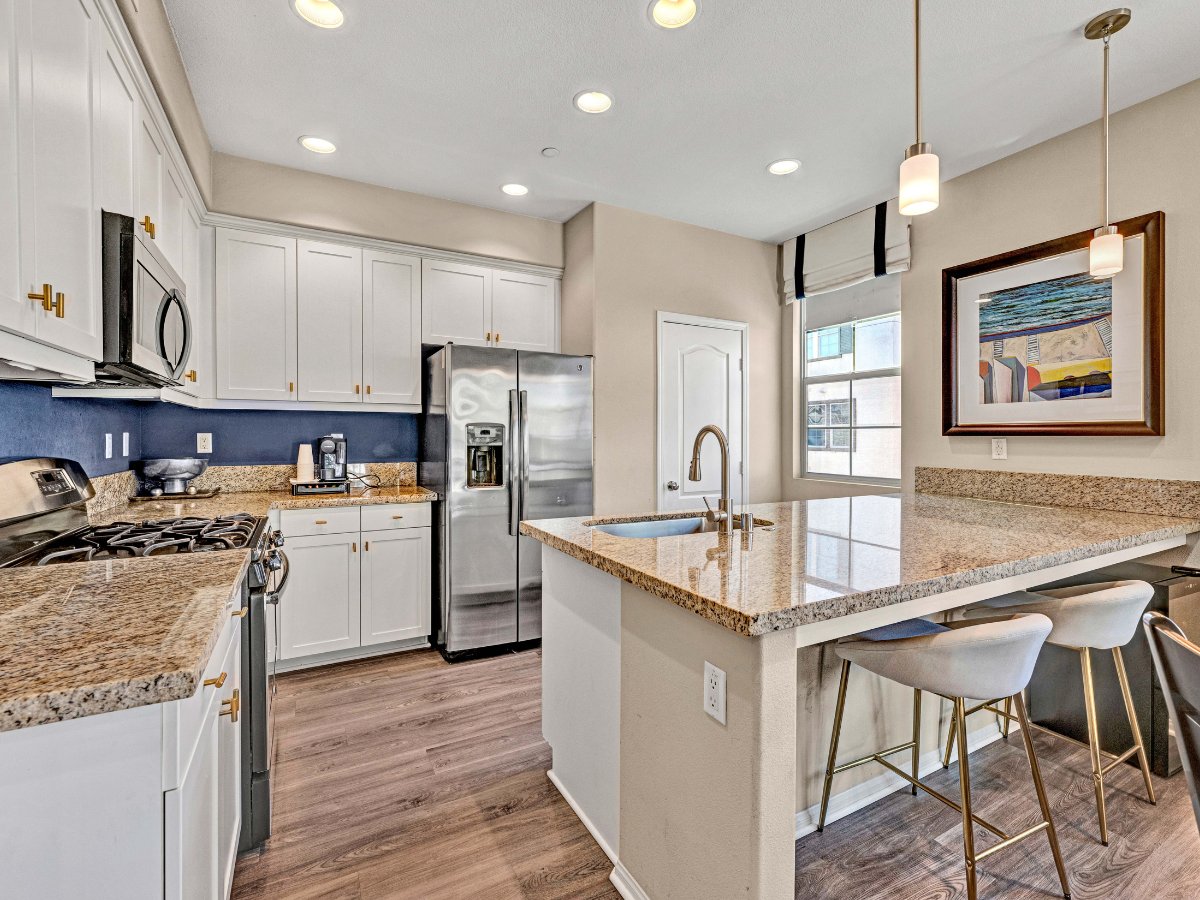
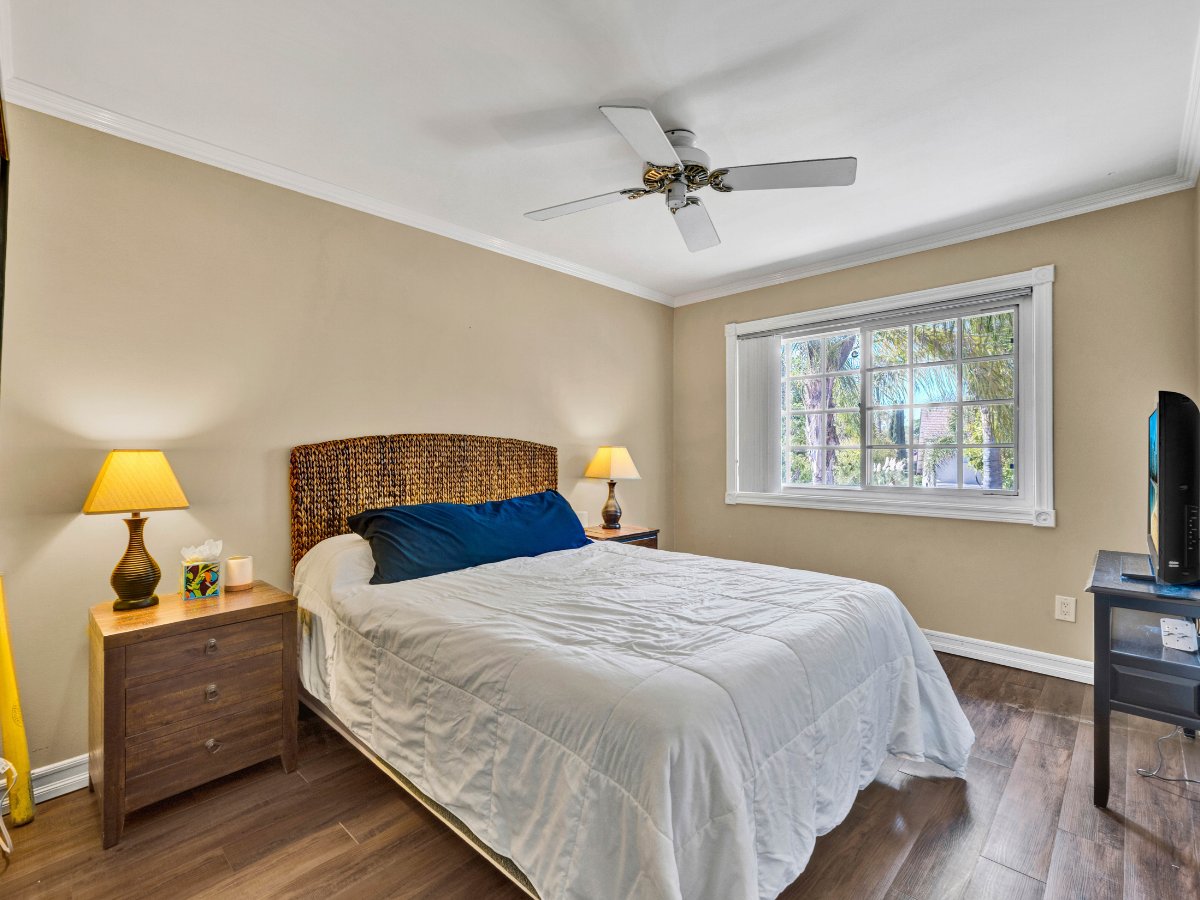
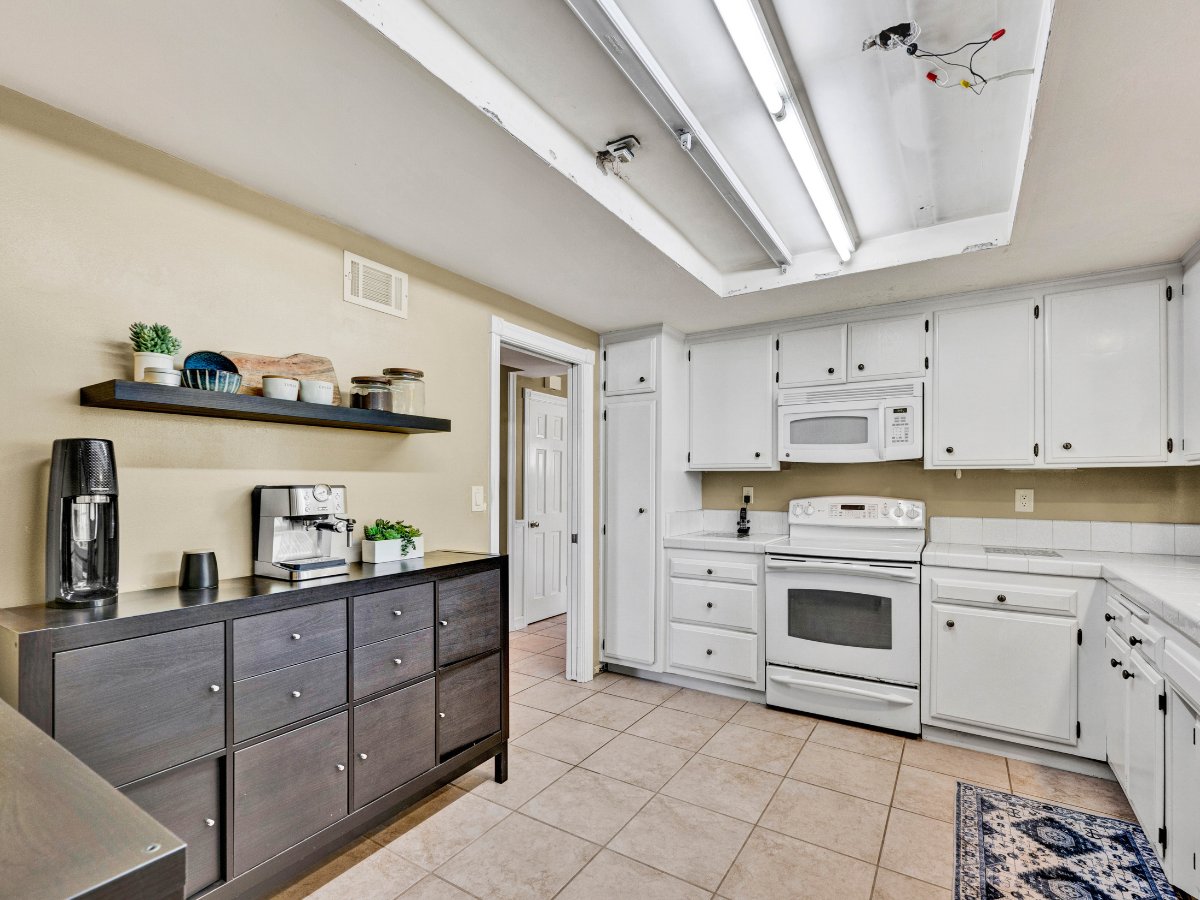
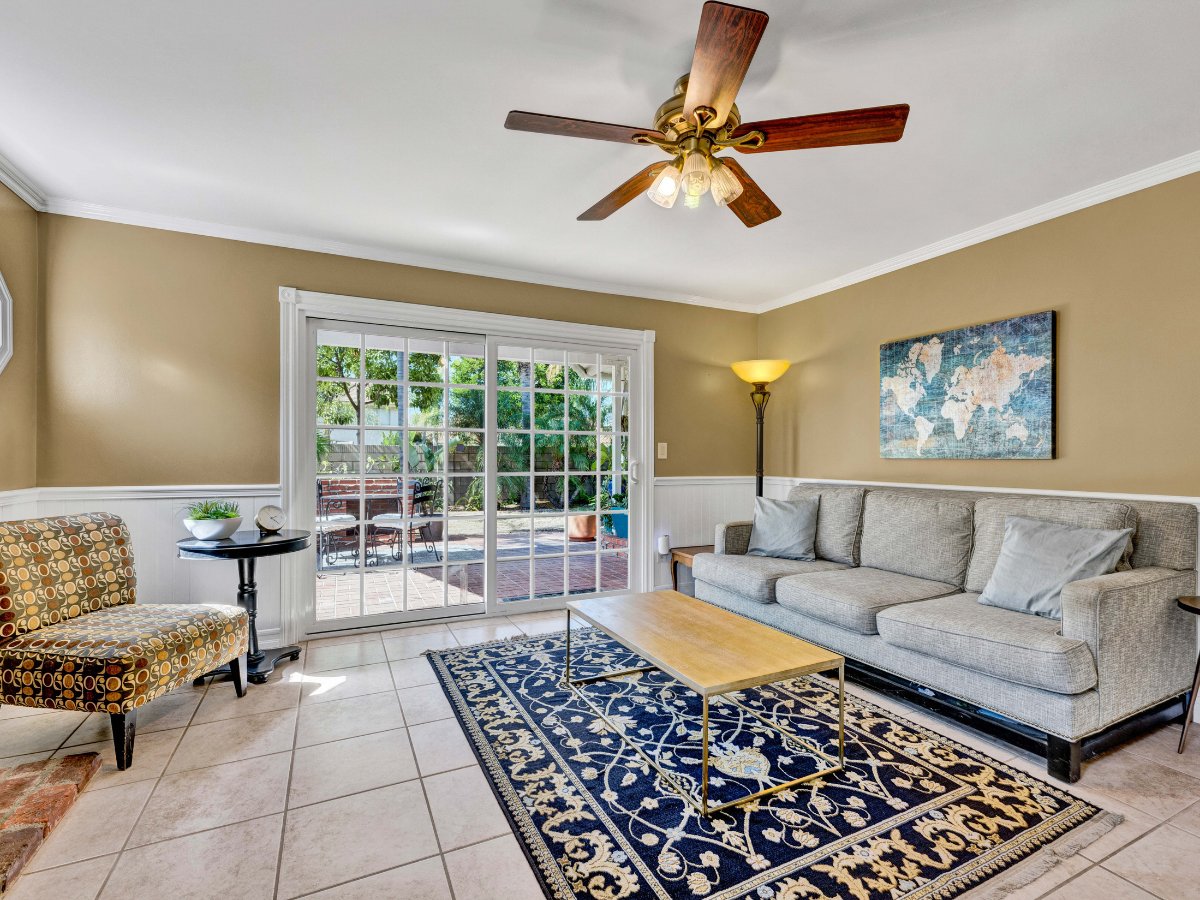
A tenant-occupied home may be harder to stage or photograph in the same way as a vacant property. That does not mean it cannot be marketed effectively.
Consider what preparation can be completed lawfully and with proper coordination. Maintenance needs, cleaning responsibilities, and any proposed work should be evaluated under the lease and applicable law.
Avoid promising improvements that depend on access or tenant cooperation that has not been arranged. High-quality photography, accurate descriptions, and a thoughtful showing plan can still help buyers understand the property.
5. Gather Financial and Property Information
For an income-producing property, buyers may request documentation relevant to their evaluation. Depending on the circumstances, this could include:
Lease information
Rental amounts
Operating expenses
Records of repairs
Share information through appropriate transaction channels, protecting tenant privacy and complying with legal requirements.
Owners should also review mortgage payoff information, potential selling costs, and tax considerations. Rental-property sales can have tax consequences that differ from selling a principal residence, including questions about depreciation and gain. A tax professional can address the owner's specific situation.
6. Compare Selling Occupied With Waiting
Selling while occupied may allow rental income to continue during marketing, but it can complicate showings and narrow the immediate buyer audience.
Waiting until lawful vacancy may simplify access and presentation, but it can introduce carrying costs or a longer timeline.
Compare realistic scenarios rather than assuming a vacant home always produces a better outcome. Consider lease timing, projected expenses, likely buyer demand, property condition, and your next financial goals.
A local pricing analysis can help frame the discussion, but it cannot guarantee a particular sale price.
7. Build a Transaction Plan Around Verified Facts
Before listing, take time to:
Confirm the lease and occupancy status.
Identify any applicable legal restrictions.
Decide how showings will be coordinated.
Gather accurate property and financial records.
Work with escrow and legal professionals on issues such as security-deposit accounting and transfer of landlord responsibilities.
Ensure marketing accurately reflects what is known and what remains subject to verification.
An organized approach helps reduce surprises for tenants, buyers, and sellers.
Frequently Asked Questions
Can I sell a house in Orange County while a tenant lives there?
Generally, a property can be sold while occupied, but existing tenancy rights and applicable laws still matter.
Does the tenant have to move when the property sells?
Not automatically. Rights depend on the lease and applicable law. Obtain qualified advice before making promises about vacancy.
Can I show a tenant-occupied home?
Showings may be possible, but lawful entry and notice requirements apply.
Is it better to sell a rental property vacant?
It depends on the buyer audience, lease, costs, and timeline. Compare the options with property-specific information.
Do I need to disclose that a property is rented?
Accurate occupancy and relevant property information should be addressed through the applicable disclosure and transaction process.
A More Thoughtful Way to Sell
Selling a tenant-occupied home is not simply a standard sale with extra scheduling. Lease terms, lawful access, buyer expectations, and financial planning all influence the strategy.
If you own a rental property in Irvine or elsewhere in Orange County, Jennifer Matsumoto Real Estate Group can help you explore a practical marketing plan.
Jennifer Matsumoto Real Estate Group
(949) 502-1036
JenniferMatsumoto.com
This article is educational and is not legal or tax advice.