Should You Remodel Before Selling Your Orange County Home? How to Decide Which Updates Are Worth It
One of the most expensive decisions homeowners make before selling is deciding what to fix.
You walk through your home and notice the kitchen cabinets that haven't been updated in years. The bathrooms could use a refresh. The flooring shows its age, and the paint no longer looks as fresh as it once did.
Then you look at other homes for sale in Orange County and wonder whether buyers will expect yours to look just as updated.
Should you renovate before listing? Make a few cosmetic improvements? Or sell the home as it is and let the next owner decide what to change?
The right answer depends on the condition of your property, the homes competing with it, the likely buyer, and the cost and time required for each improvement. A complete renovation is not automatically the best way to prepare a home for sale.
The goal is to identify which changes may improve your property's presentation or address important concerns, and which projects may not make financial sense before listing.
Start With the Homes Your Buyers Will Compare
Before requesting renovation estimates, review the properties your home is likely to compete against.
Imagine you're selling a home in Irvine. Nearby listings may include recently updated properties, homes with original finishes, and homes that have been priced to reflect their condition.
If buyers can choose between several similar homes, the differences in presentation may influence which properties they visit first. However, that does not mean you need to match every upgrade in every competing listing.
Instead, ask:
What condition are comparable homes in?
Are buyers being offered updated kitchens and bathrooms at a similar price?
Are competing properties move-in ready or clearly positioned as renovation opportunities?
Which differences between my home and theirs are most noticeable?
How much time do I have before I want to list?
These questions help establish a practical starting point. The objective is not to create the most expensive home in the comparison group. It is to determine what preparation makes sense for your particular property.
Three Categories of Pre-Sale Improvements
A useful way to evaluate your options is to divide potential work into three categories.
1. Repairs and Maintenance
These are issues that could affect the property's condition, functionality, or buyer confidence.
Examples may include a plumbing issue, a leaking fixture, damaged flooring, a malfunctioning door, or visible signs of water intrusion.
The appropriate response depends on the problem. Some repairs may be straightforward, while others require evaluation by a licensed or otherwise qualified professional.
Before listing, consider which issues should be addressed, which need further assessment, and what documentation may be relevant to the transaction.
Don't confuse maintenance with cosmetic updating. A home may have dated finishes but be well maintained, while a visually updated property may still have underlying issues that need attention.
2. Cosmetic Improvements
These are changes intended primarily to improve appearance and presentation.
Examples include fresh paint, improved lighting, decluttering, landscaping, updated cabinet hardware, or replacing worn decorative elements.
These projects may be less disruptive than a major renovation, although their cost and usefulness still depend on the property.
For example, if a room feels dark because of heavy window coverings and dated lighting, improving the lighting and simplifying the presentation may help buyers understand the space without changing the room itself.
The best cosmetic improvements address visible distractions or help the home feel clean, welcoming, and functional.
3. Major Renovations
These projects may involve replacing a kitchen, substantially remodeling bathrooms, changing a floor plan, or completing extensive flooring and finish work.
Major renovations can require a larger budget, contractor coordination, permits where applicable, and additional time.
They may make sense when the existing condition significantly limits the home's appeal or when the work is otherwise justified by the homeowner's plans. However, the decision should not be based on an assumption that buyers will reimburse every dollar spent.
Before committing, consider the likely sale timeline, the property's price range, competing homes, and the risk that costs or completion dates may change.
Should You Remodel the Kitchen Before Selling?
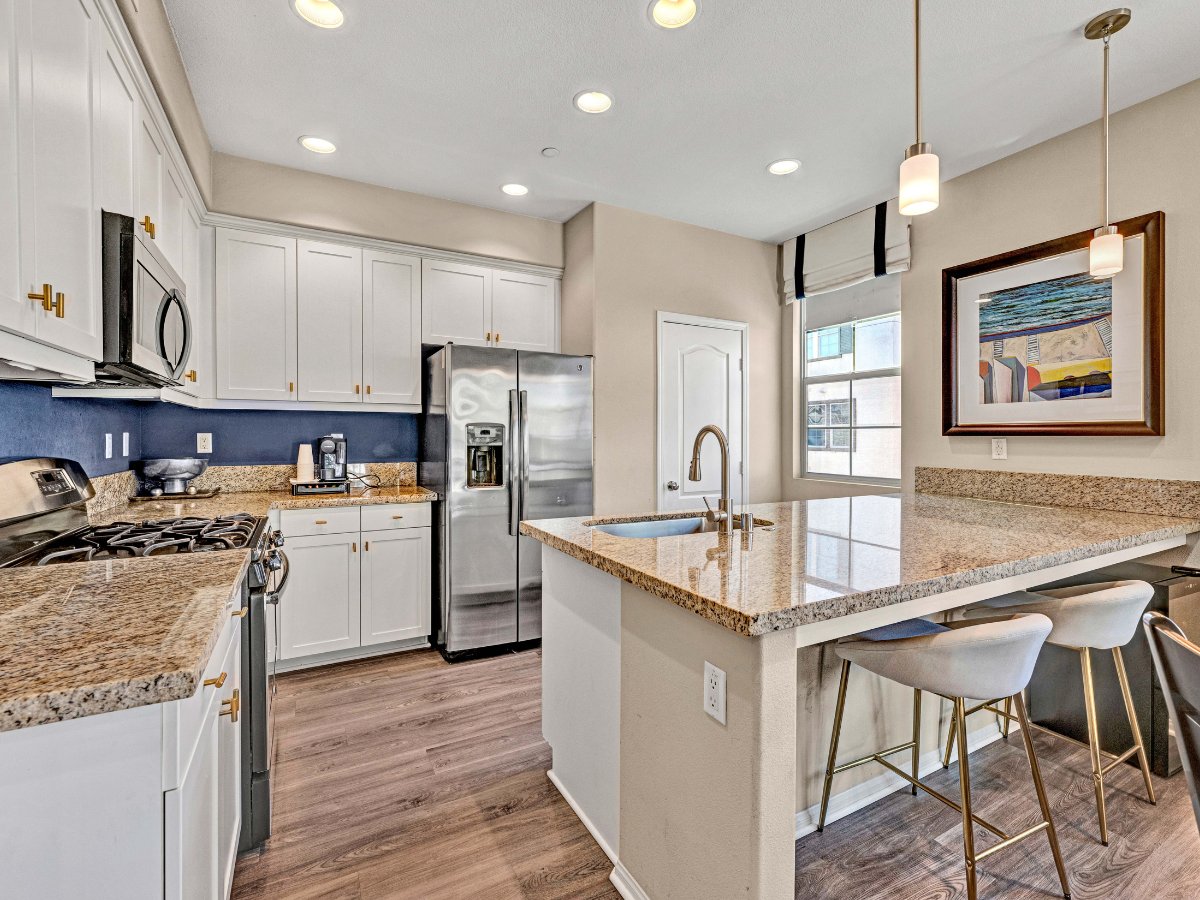
Kitchens often attract attention because buyers evaluate both appearance and everyday functionality.
But an older kitchen does not automatically need to be replaced.
Begin by considering whether the kitchen is functional, clean, and reasonably maintained. Look at cabinet condition, countertops, appliances, lighting, storage, and the overall relationship between the kitchen and nearby living spaces.
If the cabinets are in good condition but the room feels dated, a smaller refresh may be worth evaluating. If the layout or cabinetry has significant functional problems, more extensive work may deserve consideration.
Compare your options with similar homes currently available in your area.
If buyers shopping in your price range frequently encounter original kitchens, a complete renovation may not be necessary to compete. If the closest comparable homes are substantially updated, the condition difference may deserve more attention.
Neither situation determines the answer by itself. The cost, quality, likely buyer expectations, and overall market position all matter.
What About Bathroom Updates?
Bathrooms are another area where sellers can be tempted to renovate before listing.
Start by identifying whether the bathroom needs maintenance, cosmetic attention, or a more substantial change.
A thorough cleaning, improved lighting, fresh caulking where appropriate, and repairs to visible wear may improve presentation without a full remodel.
However, damage, persistent moisture, plumbing concerns, or other functional problems should be assessed appropriately rather than hidden by cosmetic work.
If a major renovation is being considered, obtain a clear estimate and understand the expected timeline. Ask whether the project is likely to address a meaningful concern for buyers or primarily reflect your personal preferences.
A beautiful new bathroom may be enjoyable, but the relevant question before selling is whether the investment makes sense for this property and this market.
Will New Flooring or Paint Help Your Home Sell?
Sometimes, relatively simple improvements can make a home feel more cohesive.
Worn flooring, scuffed walls, inconsistent paint colors, and cluttered rooms may distract buyers from the property's layout and features.
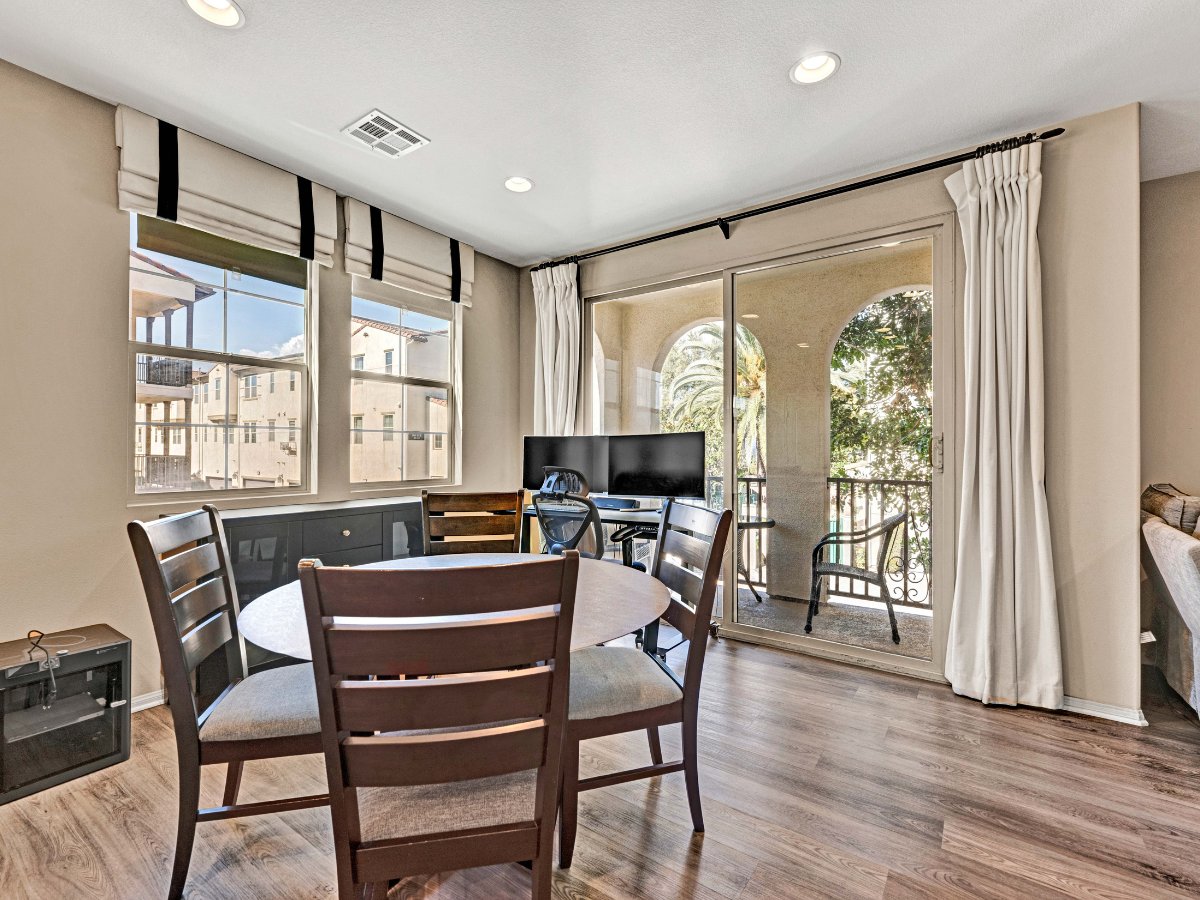
Fresh paint or selective flooring replacement may be worth considering if the current condition is noticeably affecting presentation.
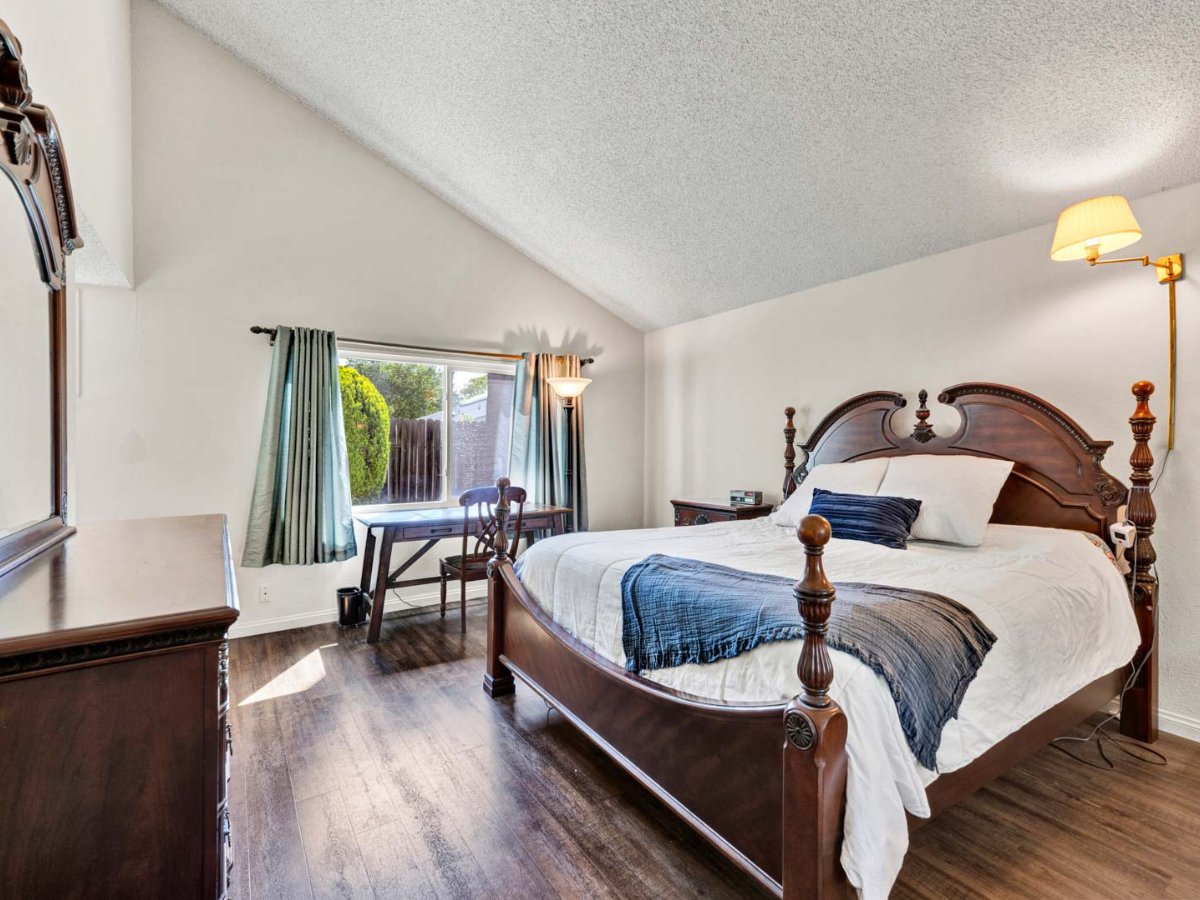
However, replacing flooring throughout an entire home is not automatically necessary. The condition of the existing materials, the consistency between rooms, and the preferences of likely buyers should guide the decision.
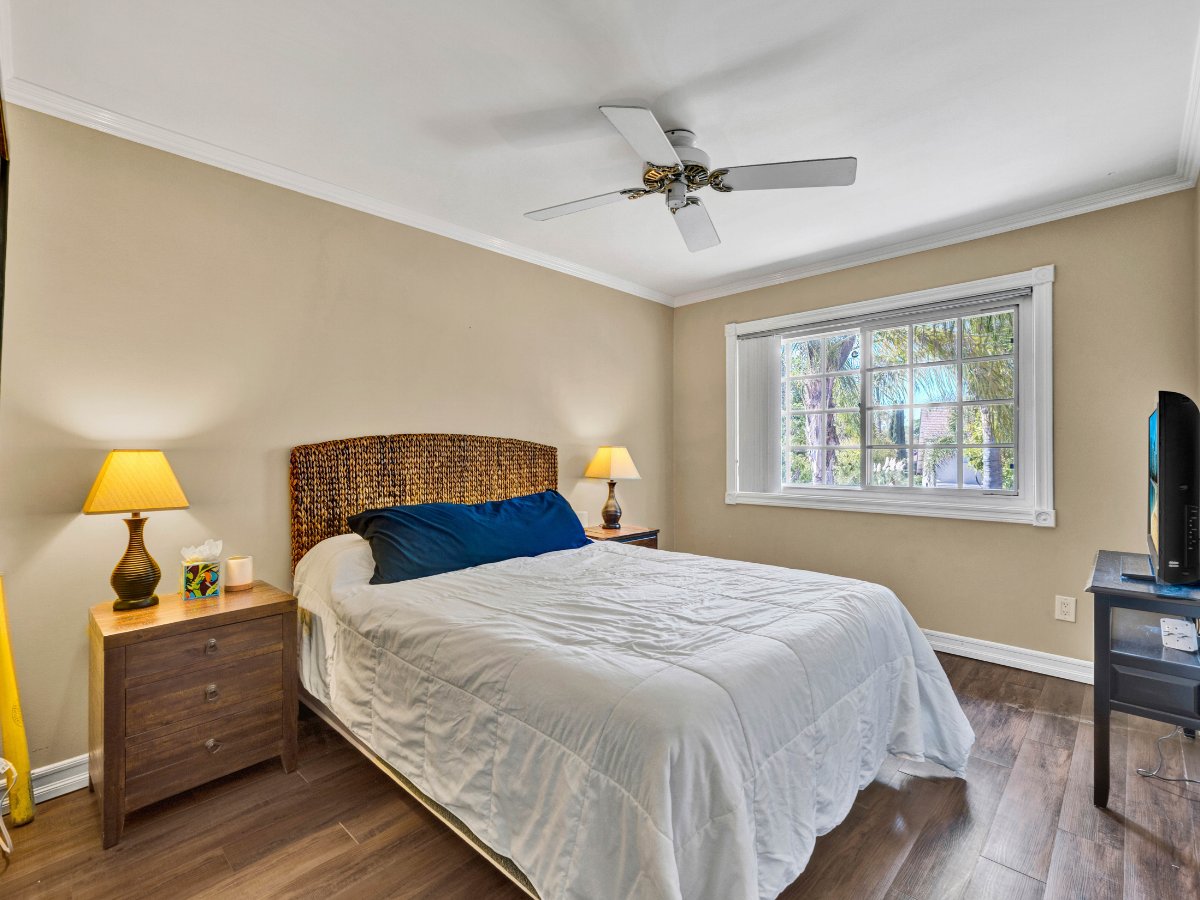
When evaluating paint, neutral colors may help create a cohesive appearance, but the goal is not to remove every sign of personality. It's to make the home easy for buyers to understand and imagine using.
A pre-listing walkthrough can help prioritize the areas that deserve attention first.
Don't Overlook the Cost of Waiting
Renovations have costs beyond materials and labor.
A larger project may delay photography and listing. It may require you to coordinate contractors, move furniture, arrange temporary accommodation, or manage unexpected repairs.
If your move is tied to another purchase, a lengthy renovation could also complicate your timeline.
That doesn't mean you should rush through necessary work. It means the decision should include the practical cost of the time involved.
Before beginning a project, ask for a realistic schedule, understand what happens if work takes longer than expected, and decide whether the potential improvement justifies the delay.
If the home is already suitable for listing with limited preparation, a major project may not be the most practical choice.
How to Decide Whether an Improvement Is Worth It
Before approving any renovation, use this decision framework.
Question 1: Does the work address a genuine problem?
If the project corrects a maintenance issue or restores an important function, it may deserve priority over a purely decorative upgrade.
Question 2: Is the issue affecting buyer perception?
Compare your home with similar properties. If a visible feature makes your home less competitive, consider whether a targeted improvement would help.
Question 3: What will the project cost?
Obtain written estimates where appropriate. Include materials, labor, possible additional work, and any costs related to delays.
Question 4: How much time will it take?
Consider contractor availability, any necessary permits, the possibility of unexpected issues, and your intended listing date.
Question 5: What is the alternative?
You may be able to sell the property in its current condition, make a smaller improvement, adjust your pricing strategy, or provide buyers with accurate information about the home's condition.
There may be several reasonable paths. Comparing them is more useful than assuming a renovation is mandatory.
An Illustrative Example: Two Ways to Prepare a Home in Irvine
Imagine a homeowner preparing to sell a three-bedroom Irvine property with an older kitchen, worn paint, and a well-maintained overall structure.
The homeowner initially considers a full kitchen remodel, bathroom updates, and new flooring throughout the home.
Before committing, they review comparable listings and obtain estimates.
They discover that the kitchen is functional, the most noticeable presentation issues are the worn paint and cluttered rooms, and a full renovation would require more time and money than they are comfortable investing.
They decide to evaluate a smaller preparation plan first, while obtaining professional advice about any maintenance concerns.
This is an illustrative scenario, not a prediction of sale results. A different property, buyer pool, or set of competing listings could lead to a different decision.
The lesson is that preparation should be based on evidence and priorities, not on the assumption that every dated feature must be replaced.
What If You Decide to Sell As-Is?
Selling as-is may be an option for homeowners who prefer not to complete certain improvements before listing.
However, “as-is” should not be treated as a way to avoid applicable disclosure obligations or conceal known issues. California transaction requirements and contract terms matter, and sellers should seek appropriate professional guidance about their obligations.
Buyers may still investigate the property's condition, and their willingness to proceed may depend on what they learn.
If you are considering an as-is sale, discuss how the home's condition, pricing, documentation, and likely buyer expectations should be handled before the property goes to market.
Frequently Asked Questions
Should I remodel before selling my Orange County home?
Not necessarily. Evaluate the property's condition, current competition, likely buyer expectations, renovation cost, and timeline. Targeted preparation may be sufficient for some homes, while other properties may benefit from more extensive work.
Is it worth remodeling a kitchen before selling?
It depends on the kitchen's condition, the competing homes, the cost of the renovation, and the likely buyer. A full remodel is not automatically necessary just because the kitchen looks dated.
What should I fix before listing my house?
Start with visible maintenance issues and problems affecting functionality or buyer confidence. Then consider cosmetic improvements that could make the property more inviting. Technical concerns should be evaluated by qualified professionals.
Can I sell my home as-is in California?
An as-is sale may be possible, depending on the circumstances and contract terms. It does not automatically eliminate applicable disclosure obligations or other legal requirements. Consult an appropriately qualified professional about your specific situation.
How do I know if staging is more useful than remodeling?
Staging may help buyers understand a home's layout and potential without the cost and disruption of major construction. The best choice depends on the home's condition, presentation, competition, and the specific concerns you are trying to address.
Before You Spend Money Preparing to Sell
The right preparation plan isn't necessarily the one with the longest renovation list.
It's the one that considers your property's actual condition, the homes buyers are comparing it with, your budget, and your timeline.
Jennifer Matsumoto Real Estate Group can help you review your property's position in the local market and identify preparation questions worth exploring before listing.
Call (949) 502-1036 or visit JenniferMatsumoto.com to discuss your selling plans.
Renovation costs, buyer preferences, and potential sale outcomes vary. No improvement guarantees a particular sale price or return on investment.