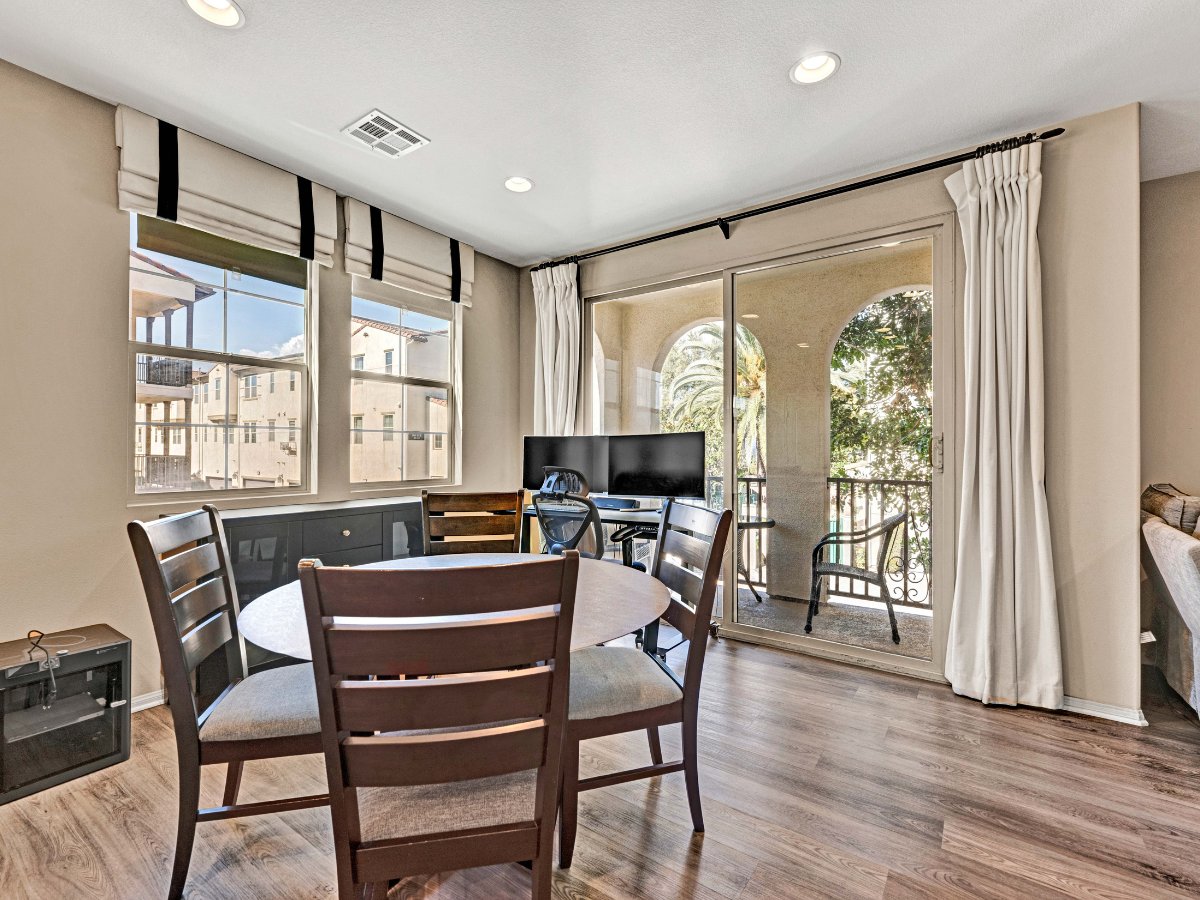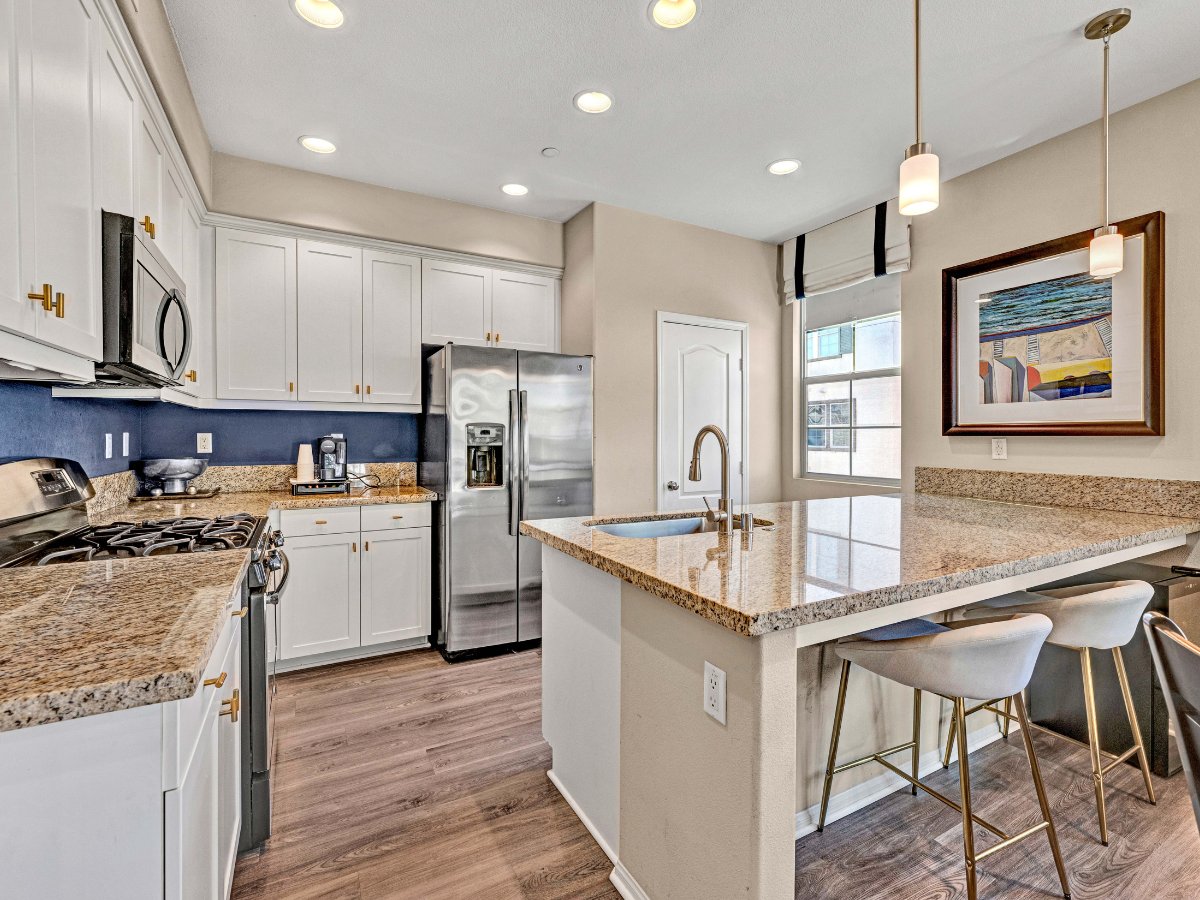
Buying or Selling in Orange County? 3 Real Estate Myths That Could Hold You Back
When you're thinking about buying or selling a home, uncertainty can make it tempting to wait until everything feels clearer.
Buyers may wait for mortgage rates to reach a particular level. Homeowners may trust an online estimate instead of investigating what their property could realistically sell for. First-time buyers may assume they need a 20% down payment before they can even begin exploring their options.
These assumptions often come from understandable concerns. Buying and selling involve significant financial commitments, and no one wants to make a decision they later regret.
But a common belief isn't necessarily a complete picture of the market.
For Orange County homeowners and buyers, the more useful approach is to understand what is known, what depends on individual circumstances, and which options deserve further investigation.
Here are three real estate myths worth reconsidering before making your next move.
Myth 1: You Should Wait Until Interest Rates Are Perfect Before Buying
Mortgage rates are important. They affect borrowing costs and can make a noticeable difference in a buyer's monthly payment.
However, the idea that there is one perfect rate for everyone oversimplifies the decision.
Your ability to buy a home depends on more than interest rates. Your income, savings, existing debts, down payment, credit profile, available properties, and personal timeline all influence what may be practical.
Waiting may be sensible if you need time to strengthen your finances, reduce debt, or save for a down payment. But if your finances are ready, it may also be worthwhile to explore the current market and understand your options rather than making the entire decision depend on a future rate prediction.
What Should You Evaluate Instead?
Begin with your budget.
Ask a qualified lender to explain the financing options for which you may qualify and estimate the expected monthly payment and associated costs.
Then consider the properties available in the areas you prefer. Compare their prices, condition, location, and ongoing ownership expenses.
You can also ask your lender how different interest-rate scenarios would affect your payment. This can help you understand the financial impact of a change without assuming that rates will move in a particular direction.
Remember that future rates are uncertain. A lower rate may improve affordability, but other market conditions can change at the same time.
The better question isn't simply, “When will rates be perfect?” It's, “Can I comfortably afford the right home under the conditions available to me?”
Myth 2: An Online Estimate Tells You Exactly What Your Home Is Worth
Online home value estimates are convenient. You enter an address, review the result, and get an immediate number.
For homeowners considering selling in Irvine or elsewhere in Orange County, that number can provide an initial point of reference.
The problem is treating it as a guaranteed sale price.
Automated valuation tools use available data and their own estimation methods. They may not fully account for your home's current condition, recent renovations, distinctive layout, outdoor space, or the nuances of your immediate neighborhood.
Two homes with similar square footage can attract different buyers and receive different offers because of their condition, location, functionality, and competition.
An online estimate may also differ from another website's estimate because the tools use different data and methods.
How Can You Get a More Useful Estimate?
Start by reviewing recent comparable sales, properties that are meaningfully similar to yours and have sold recently.
Then consider the current competition. What other homes are available to buyers? How does your property compare in terms of condition, layout, features, and asking price?
A local comparative market analysis can help bring those details together and establish a reasonable estimated range. It is not a guarantee of the eventual sale price or a substitute for a formal appraisal when one is required.
If you're considering selling, the most useful valuation is one that reflects your actual property and the market in which it will compete.
Your home is not simply an address in a database. Its condition, features, and competition deserve a closer look.
Myth 3: You Must Have a 20% Down Payment to Buy a Home
The idea that every buyer needs a 20% down payment can discourage people from even investigating homeownership.
In reality, some mortgage programs allow eligible borrowers to purchase with a smaller down payment.
The available options depend on the loan program, lender requirements, borrower qualifications, property type, and other circumstances. A lower down payment can also have trade-offs, including mortgage insurance in some cases, different loan terms, or a larger amount borrowed.
That means a smaller down payment is not automatically the best choice, but neither is it accurate to assume that 20% is universally required.
What Should You Do Before Ruling Yourself Out?
Speak with a qualified lender about the financing programs that may be available to you.
Ask about the required down payment, estimated closing costs, monthly payments, mortgage insurance where applicable, and any eligibility conditions.
Then review the complete budget. You'll want to account for moving expenses, maintenance, property taxes, insurance, and any applicable homeowners association dues or assessments.
It's also worth considering how much savings you'll have left after the purchase. Using every available dollar toward a down payment may leave less flexibility for unexpected expenses.
The goal is to understand the options and trade-offs before deciding whether buying is realistic for you.
You don't need to assume that every buyer follows the same financial path. You need to understand which options fit your circumstances.
Why These Myths Matter for Orange County Buyers and Sellers
Orange County includes a wide range of communities and property types, from condominiums and townhomes to detached homes in established neighborhoods and newer developments.
Because the options and costs vary, a broad assumption may not tell you much about the particular property you're considering.
A buyer exploring Irvine may have different priorities and ownership costs from someone looking at another Orange County community. A seller's pricing strategy may also depend on the property's condition, recent comparable sales, and the competition in that specific market.
This is why local context matters.
Rather than relying exclusively on an online estimate, an interest-rate forecast, or a general rule about down payments, gather information that relates directly to your goals.
For buyers, that may mean evaluating financing and the complete cost of ownership.
For sellers, it may mean understanding the home's potential market value and comparing it with current listings.
For homeowners considering a move, it may mean reviewing both sides of the transaction before committing to a timeline.
A Simple Framework for Making Your Next Move
If you're unsure where to start, work through these questions.
1. What Is My Goal?
Are you looking for more space, a different location, a smaller property, or an opportunity to sell? Defining your goal helps you evaluate whether available options meet your needs.
2. What Can I Comfortably Afford?
Review your budget and expected costs. If financing is involved, ask a qualified lender to explain the options available to you.
3. What Does the Local Market Show?
Look at relevant comparable sales, current listings, property condition, and other details that influence the specific decision you're making.
4. What Assumptions Do I Need to Verify?
If you're relying on an online estimate, future interest-rate predictions, or a rule you heard from someone else, identify what information could confirm or challenge that assumption.
5. What Happens If Circumstances Change?
Consider whether you have flexibility if the sale takes longer, financing terms differ from your expectations, or your preferred property is no longer available.
These questions won't remove every uncertainty, but they can help you move from general assumptions to a more informed decision.
Frequently Asked Questions
Should I Wait for Mortgage Rates to Decrease Before Buying in Orange County?
That depends on your finances, housing needs, and available options. Future rates are uncertain, so compare realistic financing scenarios and evaluate the complete cost of buying rather than relying on a rate prediction alone.
Are Online Home Value Estimates Accurate?
They can provide a useful starting point, but accuracy varies. They may not fully account for property condition, upgrades, layout, or immediate neighborhood competition. Recent comparable sales and a local market analysis can provide additional context.
Do I Need a 20% Down Payment to Buy a Home in California?
Not necessarily. Some loan programs allow eligible buyers to purchase with smaller down payments. Requirements, costs, mortgage insurance, and eligibility vary, so discuss your options with a qualified lender.
How Do I Know If Buying a Home Is Financially Realistic for Me?
Review your income, savings, debts, down payment, estimated monthly payment, closing costs, and ongoing ownership expenses. A lender can help evaluate financing eligibility, while a realistic household budget can help you assess affordability.
Should I Make a Decision Based on the Overall Orange County Housing Market?
Broad market information can provide context, but conditions may vary by neighborhood, price range, and property type. Consider the specific homes, comparable sales, and financing circumstances relevant to your decision.
Make Your Next Move With More Clarity
You don't need to know exactly where the housing market will go to start asking the right questions.
Whether you're considering buying your first home, selling a property you've owned for years, or exploring a move within Orange County, understanding your options is a useful first step.
Jennifer Matsumoto Real Estate Group can help you explore local property considerations and identify the questions worth addressing before you move forward.
Call (949) 502-1036 or visit JenniferMatsumoto.com to start the conversation.
This article is for general educational purposes. Financing availability, eligibility, property values, and transaction outcomes vary by individual circumstances and market conditions.