7 Orange County Real Estate Mistakes That Can Turn Into Costly Surprises
Some real estate mistakes begin with a reasonable assumption.
A buyer sees a beautiful home and thinks everything must be in good condition. A seller believes the price they paid several years ago should determine what the property is worth today. A homeowner makes a few cosmetic updates and assumes the house is ready to sell.
Individually, these assumptions may seem harmless. But when they influence a major financial decision without enough supporting information, they can lead to avoidable stress, unexpected expenses, or missed opportunities.
For Orange County buyers and sellers, the goal isn't to predict every possible problem. It's to recognize common misconceptions before they shape a decision.
Here are seven real estate mistakes worth avoiding.
1. Skipping an Inspection Because the Home Looks Perfect
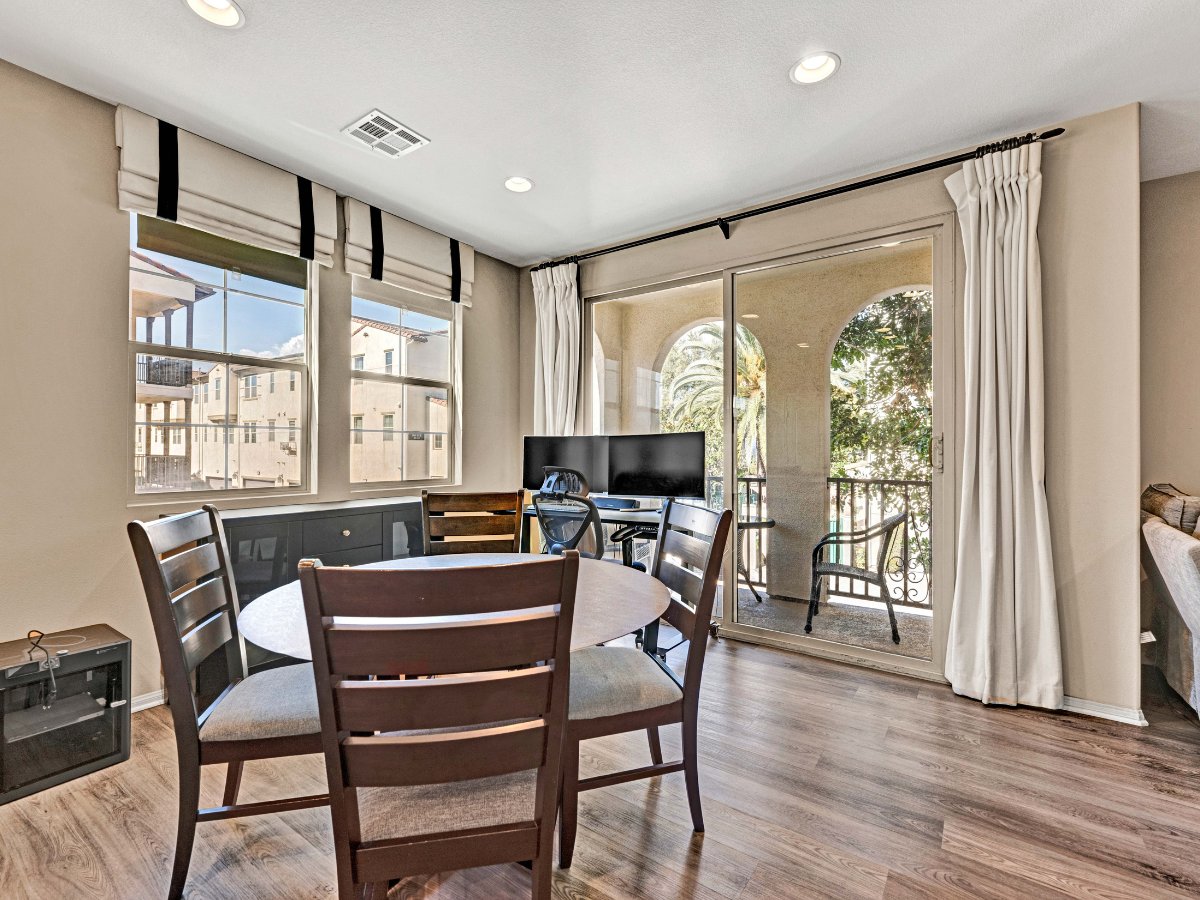
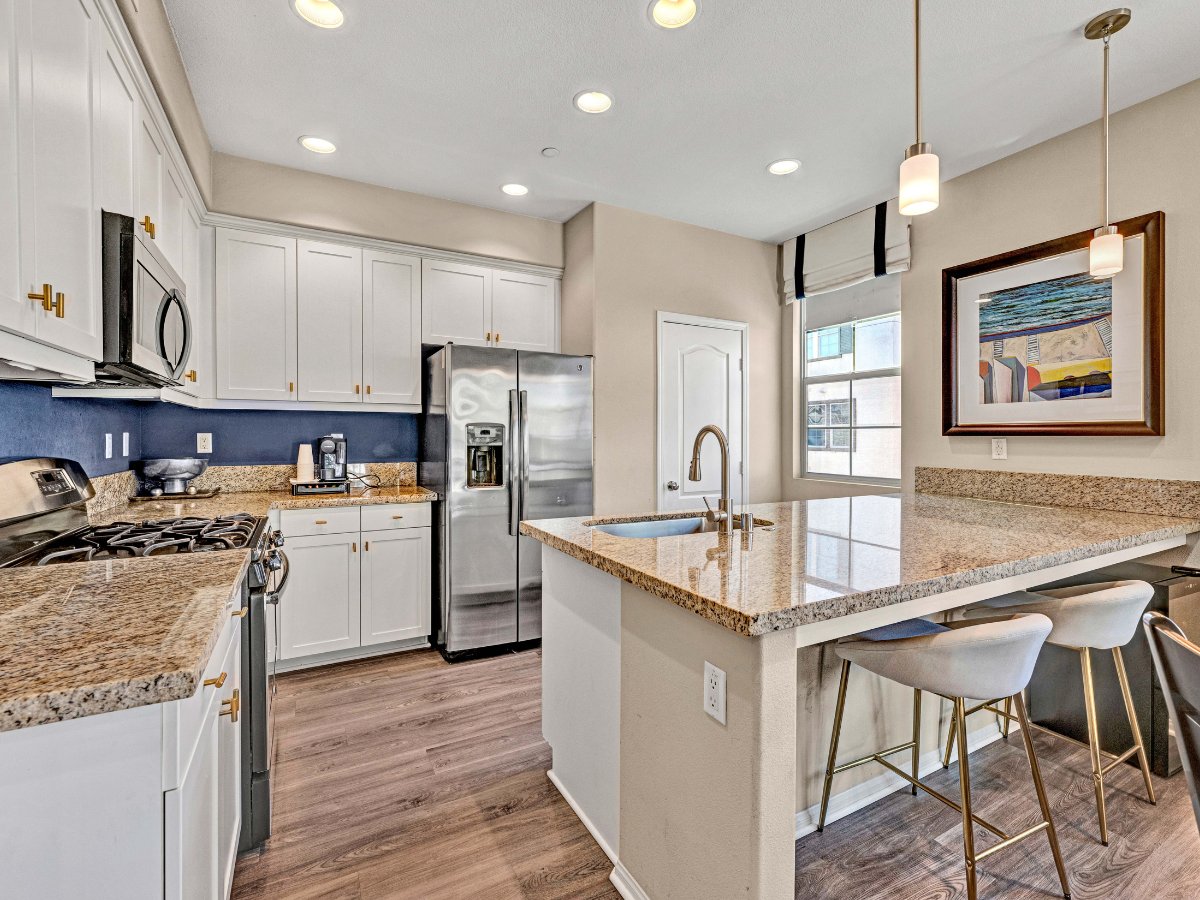
A freshly renovated kitchen, new flooring, and carefully staged rooms can make a property feel move-in ready.
However, attractive finishes do not establish the condition of every part of a home.
Some concerns require a closer evaluation by a qualified inspector or specialist. Depending on the property, areas worth investigating may include the roof, plumbing, electrical systems, drainage, heating and cooling equipment, or signs of moisture.
An inspection is not a guarantee that every possible issue will be found. It can, however, provide information that helps buyers understand the property's condition and determine whether additional evaluation is appropriate.
Before proceeding, review the purchase agreement, understand your due diligence rights and deadlines, and discuss suitable inspections with your real estate professional.
A beautiful home deserves a careful evaluation, not an assumption that everything is perfect.
2. Pricing Your Home Based on What You Paid Years Ago
Your original purchase price is an important part of your financial history. It may influence your equity, tax considerations, and plans for the next move.
But it does not determine what buyers will pay today.
A property's current market value depends on factors such as recent comparable sales, location, condition, competing listings, and buyer demand.
Imagine that you purchased a home several years ago and invested in improvements. You may reasonably hope that the property is worth more today. Whether the market supports that expectation requires a current evaluation.
The same principle applies if you need to receive a particular amount from the sale. Your financial needs matter when planning your next move, but they do not automatically establish the home's market value.
A better approach: Review recent comparable sales and current competition, then evaluate the potential net proceeds after your mortgage payoff and applicable expenses.
3. Waiting for the “Perfect” Interest Rate Without Reviewing Your Options
Mortgage rates matter because they influence borrowing costs and monthly payments.
However, waiting for a particular rate without considering the rest of your circumstances may leave important questions unanswered.
You also need to evaluate your purchase budget, available homes, expected ownership costs, personal timeline, and the possibility that other market conditions could change while you wait.
For some buyers, waiting and preparing financially may be the right decision. For others, exploring current options may reveal a workable path.
Neither outcome can be determined by predicting interest rates alone.
If you're considering a purchase, speak with a qualified lender about available financing scenarios and compare the expected payments and costs. You can then evaluate those figures against your budget and priorities.
The goal isn't to guess the perfect moment. It's to understand what is financially realistic for you.
4. Assuming Cosmetic Updates Solve Every Problem
Fresh paint, new cabinet hardware, and updated lighting can improve a home's appearance.
But cosmetic improvements do not automatically address maintenance issues or underlying defects.
A home may look more appealing after a refresh while still needing attention to plumbing, drainage, roofing, or other components. Conversely, a home with dated finishes may be well maintained and function properly.
Sellers should distinguish between presentation improvements and repairs that require professional attention.
Buyers should also avoid treating a renovated appearance as proof that the property is free from concerns.
If you're preparing to sell, evaluate which updates are likely to help presentation and which issues need to be assessed separately. If you're buying, use appropriate inspections and due diligence to understand the property's condition.
5. Ignoring Buyer Feedback After Listing
Once a home is on the market, showing activity and feedback can help sellers understand how buyers are responding.
A seller may be tempted to dismiss every concern about the asking price or condition. On the other hand, reacting to a single comment can lead to unnecessary changes.
The more useful approach is to look for patterns.
Are several buyers raising similar concerns? Are competing properties offering features that yours does not? Has showing activity changed? Have similar homes sold or adjusted their asking prices?
These details can help you decide whether to review your pricing, presentation, or marketing approach.
Feedback should be considered alongside the broader evidence rather than treated as an automatic instruction to change the listing.
6. Believing Every Housing Market Headline Applies to Your Neighborhood
A headline might describe falling prices, increasing inventory, or stronger buyer demand across a broad area.
But broad trends don't necessarily describe every neighborhood or property type equally.
A detached home in one Orange County community may compete with a very different set of properties than a condominium elsewhere. Buyers in different price ranges may also face different financing considerations and available inventory.
This is why general market labels can be misleading when used as the sole basis for a decision.
If you're buying or selling, focus on the relevant neighborhood, property type, recent comparable sales, and current listings.
Market headlines can provide context. They should not replace a local analysis.
7. Making a Major Decision Without Understanding the Full Cost
A home's purchase price is only one part of the financial picture.
Buyers should consider closing costs, mortgage payments, property taxes, insurance, maintenance, and applicable HOA dues or assessments.
Sellers should consider their mortgage payoff, transaction expenses, potential preparation costs, and the amount they may need for their next move.
Homeowners who are buying and selling simultaneously may also need to account for moving costs, temporary accommodation, or overlapping housing payments.
The exact costs depend on the property, financing, contract terms, and individual circumstances.
Before committing, prepare a realistic estimate and discuss the details with qualified professionals. A budget that includes the full cost of the transaction is more useful than one based only on the headline price.
How to Make More Informed Real Estate Decisions
You don't need to eliminate every uncertainty before buying or selling. Instead, identify the assumptions behind your decision and determine which ones need to be verified.
For buyers, that may mean reviewing financing, comparing properties, and arranging appropriate inspections.
For sellers, it may mean evaluating comparable sales, understanding the competition, and prioritizing preparation work.
For homeowners planning a move, it may mean reviewing potential sale proceeds and the costs of the next property before setting a timeline.
In each case, the same principle applies: slow down enough to understand the facts that could materially affect your decision.
Frequently Asked Questions
What is the biggest mistake buyers make when purchasing a home?
There is no single mistake that applies to everyone. Common risks include underestimating the total cost of ownership, misunderstanding contract terms, or failing to investigate a property's condition adequately.
Should I skip an inspection if the house is newly renovated?
A renovated appearance does not establish the condition of every building component. Discuss appropriate inspections and due diligence with your real estate professional and qualified inspectors.
Should I price my home based on what I originally paid?
Your original purchase price does not determine the current market value. Review comparable sales, competing listings, and the home's condition to develop a current pricing strategy.
Should I wait for interest rates to fall before buying?
That depends on your finances, housing needs, and available options. Discuss financing scenarios with a qualified lender rather than relying on a prediction about future rates.
How should sellers respond to negative feedback?
Look for patterns across showings, buyer comments, competing listings, and recent sales. Consider whether the evidence supports a change in price, presentation, or marketing rather than reacting to one comment alone.
Avoid the Unnecessary Surprises
Buying or selling a home involves important decisions, but many common misconceptions can be addressed by asking better questions and reviewing the relevant information.
Jennifer Matsumoto Real Estate Group can help you explore the Orange County market and identify the property-specific considerations worth understanding before your next move.
Call (949) 502-1036 or visit JenniferMatsumoto.com to start the conversation.
This article is for general educational purposes. Property condition, financing, contract terms, and transaction costs vary by situation. Seek qualified professional guidance for decisions specific to your circumstances.